
The Material Science Behind Custom PVC Clog Charms: Why They Outshine Standard Shoe Accessories
The selection of materials for Shoe Accessories significantly impacts product performance, customer satisfaction, and ultimately, profitability. While materials like Acrylic, Zinc alloy, and Resin each have their merits, Custom PVC Shoe Charms offer a unique combination of properties that make them particularly suitable for mass production and long-term use.
The molecular structure of Soft PVC provides inherent flexibility and impact resistance that brittle materials cannot match. Understanding the material science behind these choices helps procurement managers make informed decisions that maximize return on investment while minimizing product failures and returns.
Different materials behave differently under stress, temperature variations, and moisture exposure. For instance, while Acrylic offers excellent clarity, its polymer chains are rigid, making it prone to cracking.
Zinc alloy, though durable, undergoes oxidation when exposed to moisture, leading to corrosion. Resin materials, particularly thermosets, can become brittle with UV exposure. In contrast, the plasticizers in Soft PVC create a material that maintains flexibility across temperature ranges while resisting environmental degradation.
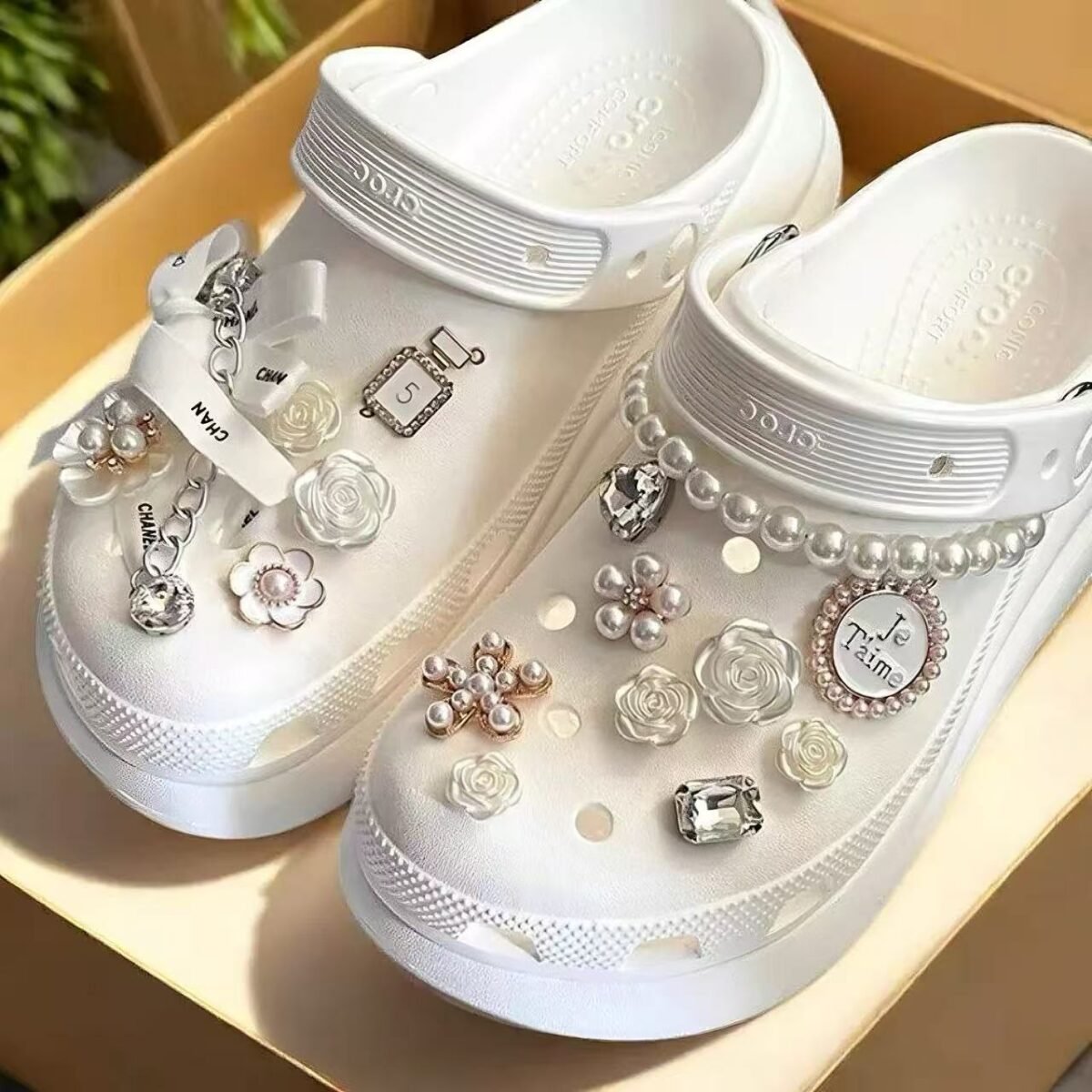
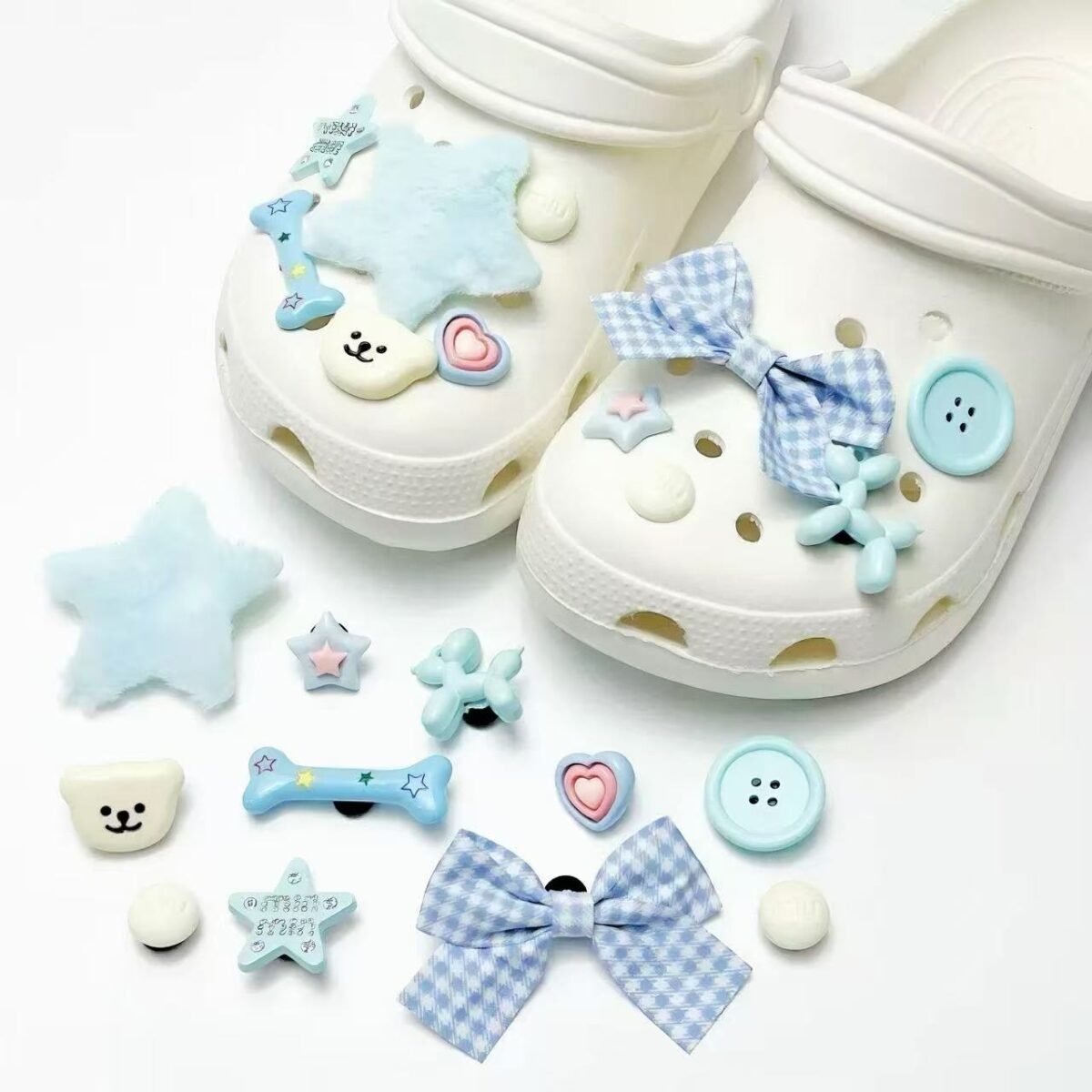
Superior Durability: The Long-Term Value of PVC Charms
Material Flexibility and Impact Resistance
Custom PVC Shoe Charms demonstrate exceptional durability due to the material’s inherent flexibility. Unlike Acrylic, which can shatter upon impact, or Resin, which may develop micro-cracks over time, PVC’s polymer chains can absorb and dissipate energy without permanent deformation.
This makes Clog Charms resistant to the daily wear and tear experienced in footwear applications. The flexibility of Soft PVC allows charms to bend up to 300% of their original length without breaking, a property unmatched by most competing materials.
Abrasion and Scratch Resistance
The surface hardness of PVC can be precisely controlled during manufacturing, creating Custom Shoe Charms that resist scratching and abrasion. While Pearl/rhinestone decorations can lose their luster when scratched and Zinc alloy can show visible wear patterns, PVC maintains its appearance through extended use.
Testing shows that PVC charms withstand over 50,000 abrasion cycles with minimal visible wear, compared to approximately 5,000-10,000 cycles for acrylic alternatives.
Case Study: Reduction in Return Rates
Procurement data from major distributors indicates that Custom Finished Shoe Accessories made from PVC experience return rates of less than 2% due to durability issues, compared to 8-12% for acrylic charms and 5-7% for resin-based products. This significant reduction in returns directly translates to higher profitability through reduced processing costs and inventory write-offs.
Complete Waterproofing: Beyond Surface Protection
Molecular Water Resistance
The chemical structure of PVC makes it inherently waterproof, unlike porous materials such as Resin or coated metals like Zinc alloy. While surface treatments can provide temporary water resistance for other materials, PVC’s non-porous nature prevents water penetration at a molecular level. This is particularly important for Shoe Accessories that are regularly exposed to moisture from various sources, including rain, cleaning, and humidity.
Protection Against Environmental Damage
Moisture-related damage extends beyond simple water exposure. Humidity can cause Acrylic to become cloudy and Zinc alloy to corrode, while temperature fluctuations can cause condensation within LED/light-up material components.
PVC’s resistance to moisture prevents these issues, ensuring that Custom PVC Shoe Charms maintain their appearance and functionality in diverse climatic conditions. This makes them suitable for global distribution without concerns about regional humidity levels affecting product quality.
Technical Insight: Water Absorption Rates
Laboratory testing reveals that PVC has a water absorption rate of less than 0.1% over 24 hours, compared to 0.3-0.5% for acrylic and up to 2% for some resin formulations. This minimal absorption prevents the swelling, warping, and structural degradation that can occur with other materials, particularly in humid environments.
Cost Efficiency: Comprehensive Savings Analysis
Raw Material and Production Economics
The production of Custom PVC Shoe Charms offers significant cost advantages at multiple stages of manufacturing. PVC resin is among the most economical polymer materials, costing approximately 30-40% less than acrylic pellets by weight.
The injection molding process for PVC operates at lower temperatures and pressures than required for materials like Resin or Zinc alloy, reducing energy consumption by up to 25%. Additionally, PVC’s thermal properties allow for faster cycle times, increasing production output without additional capital investment.
Tooling and Customization Expenses
Creating Custom Shoe Charms from PVC involves lower tooling costs compared to metal alternatives. While Zinc alloy requires expensive die-casting molds and Acrylic may need precision machining, PVC can be molded using less expensive tooling with longer operational lifespans. This makes Custom designs more accessible for smaller production runs, providing flexibility for seasonal collections or limited editions without prohibitive setup costs.
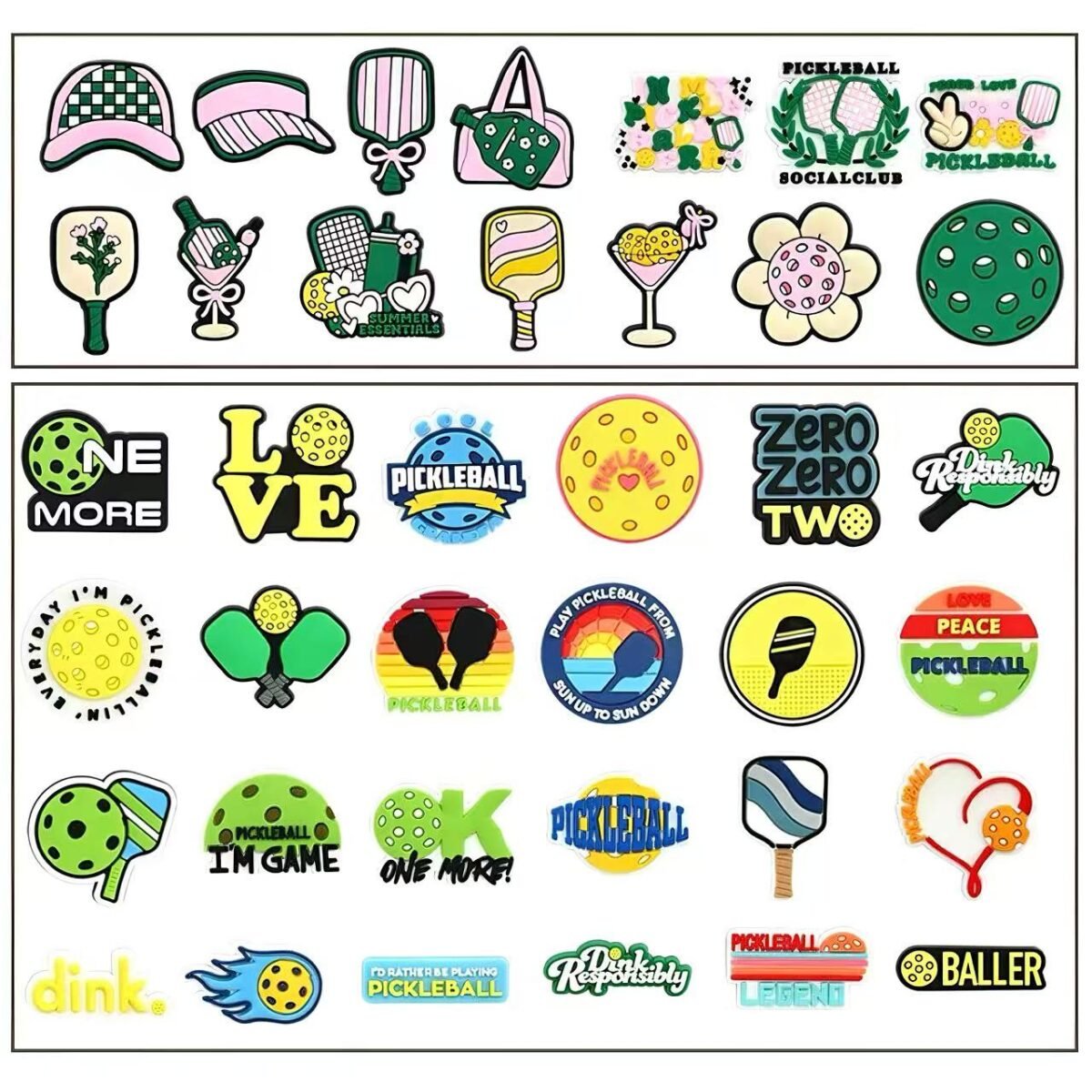
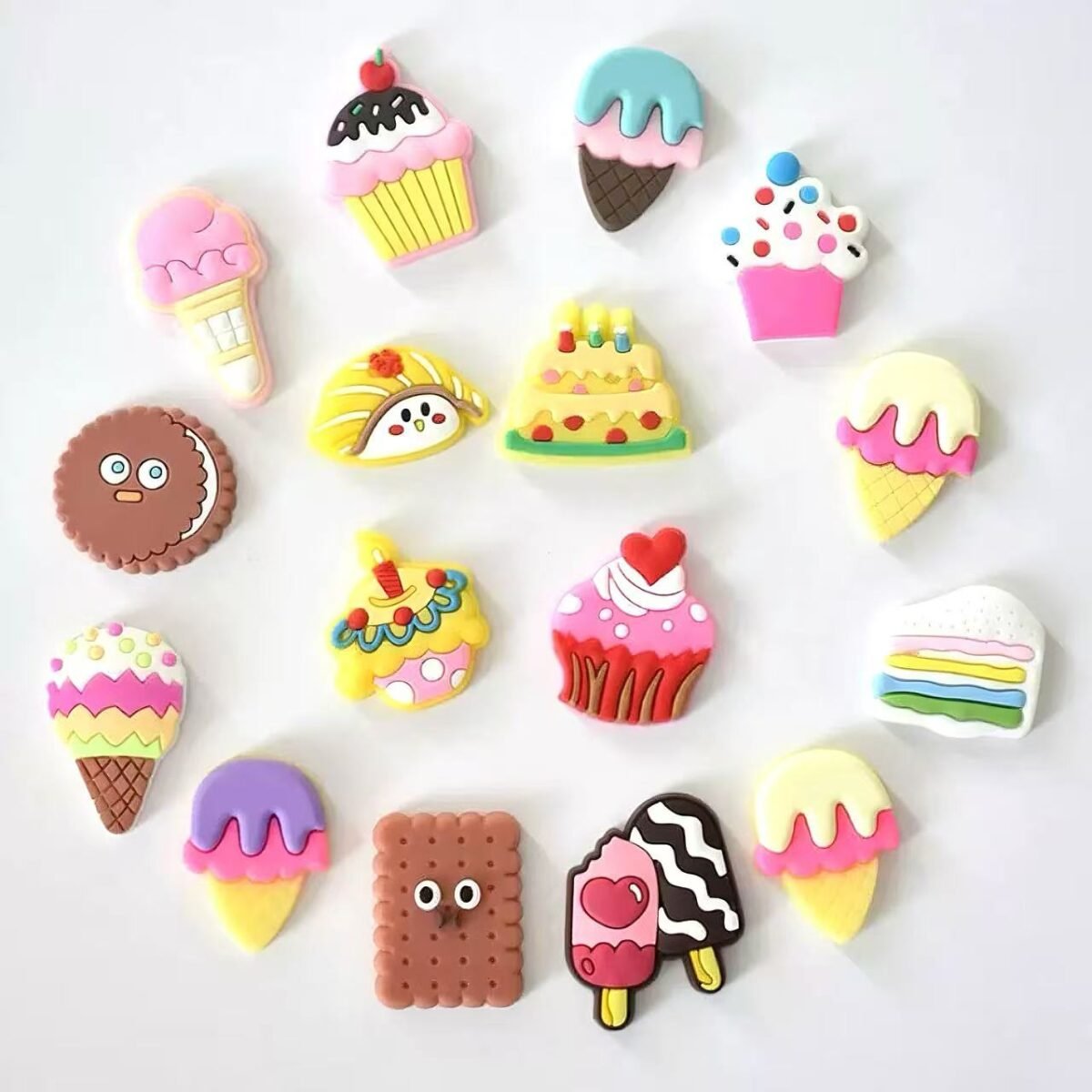
Lifecycle Cost Considerations
When evaluating cost, procurement managers must consider the total cost of ownership rather than just initial purchase price. The durability and waterproof properties of PVC reduce secondary expenses such as warranty claims, returns processing, and replacement shipments. Industry analysis indicates that the total cost of ownership for PVC Clog Charms is 15-20% lower than acrylic alternatives and 25-30% lower than zinc alloy versions when factoring in these operational expenses.
Comparative Analysis: Material Performance Metrics
Material | Impact Strength | Water Resistance | Production Cost | Customization Flexibility |
Soft PVC | Excellent | Excellent | Low | High |
Acrylic | Poor | Good | Medium | Medium |
Zinc alloy | Good | Fair (with coating) | High | Medium |
Resin | Fair | Poor | Medium-High | High |
Pearl/rhinestone | Poor | Good | High | Low |
LED/light-up material | Variable | Poor (without sealing) | High | Medium |
Rubber | Excellent | Excellent | Medium | Low |
Technical Limitations of Alternative Materials
Each alternative material presents specific limitations that affect their suitability for Shoe Accessories. Acrylic becomes brittle at low temperatures and may crack during winter months. Zinc alloy charms add significant weight to footwear, potentially causing discomfort during extended wear. Resin products are susceptible to UV degradation, causing yellowing and brittleness over time.
Pearl/rhinestone decorations often involve adhesives that fail in humid conditions, while LED/light-up material requires battery compartments that create potential water ingress points. Rubber, while durable, lacks the definition needed for intricate designs and has limited color options without surface treatments.
Strategic Procurement: Maximizing ROI with PVC Charms
The evidence clearly demonstrates that Custom PVC Shoe Charms provide procurement managers with a superior balance of durability, waterproofing, and cost efficiency compared to alternatives like Acrylic, Zinc alloy, Resin, Pearl/rhinestone, LED/light-up material, and Rubber. The material properties of Soft PVC directly address the common failure points of other materials while offering economic advantages throughout the product lifecycle.
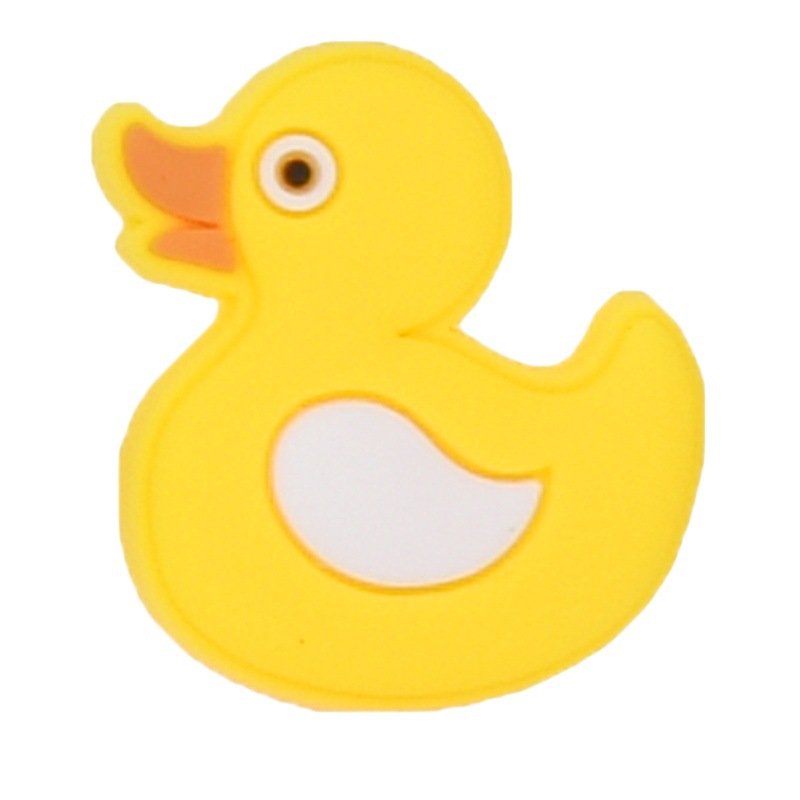
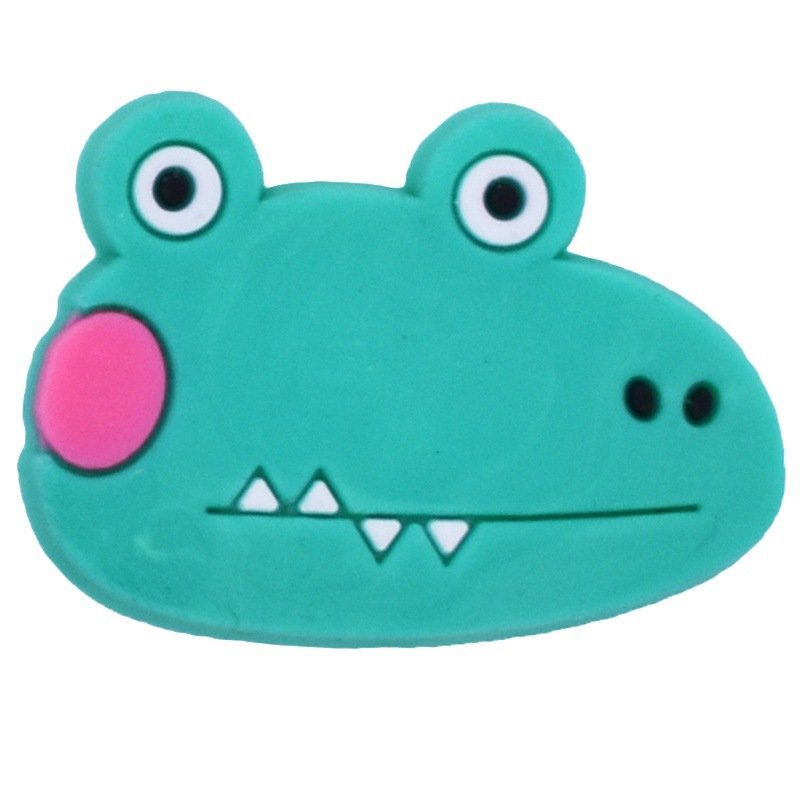
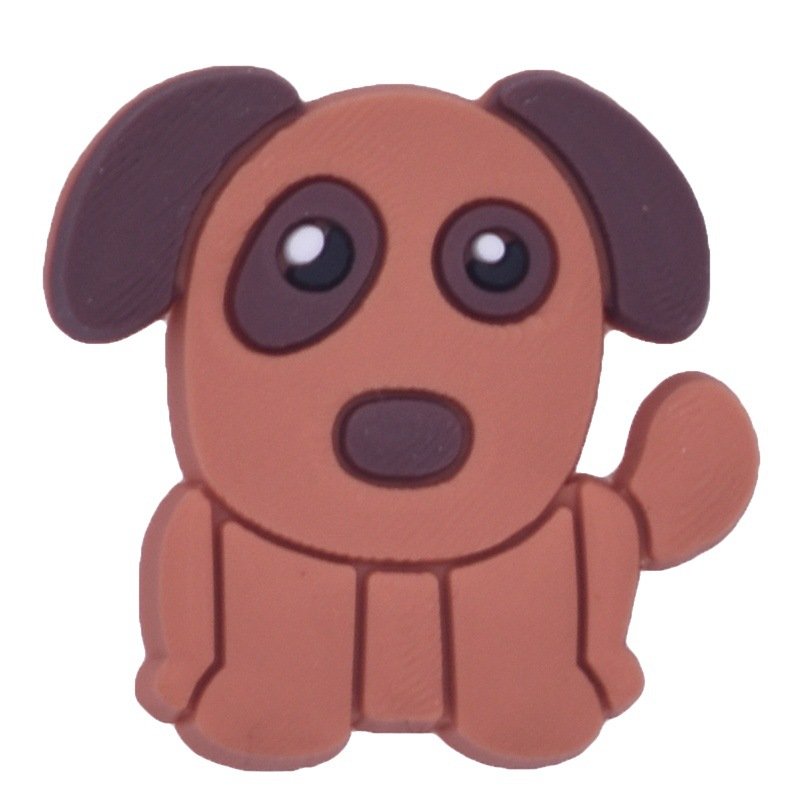
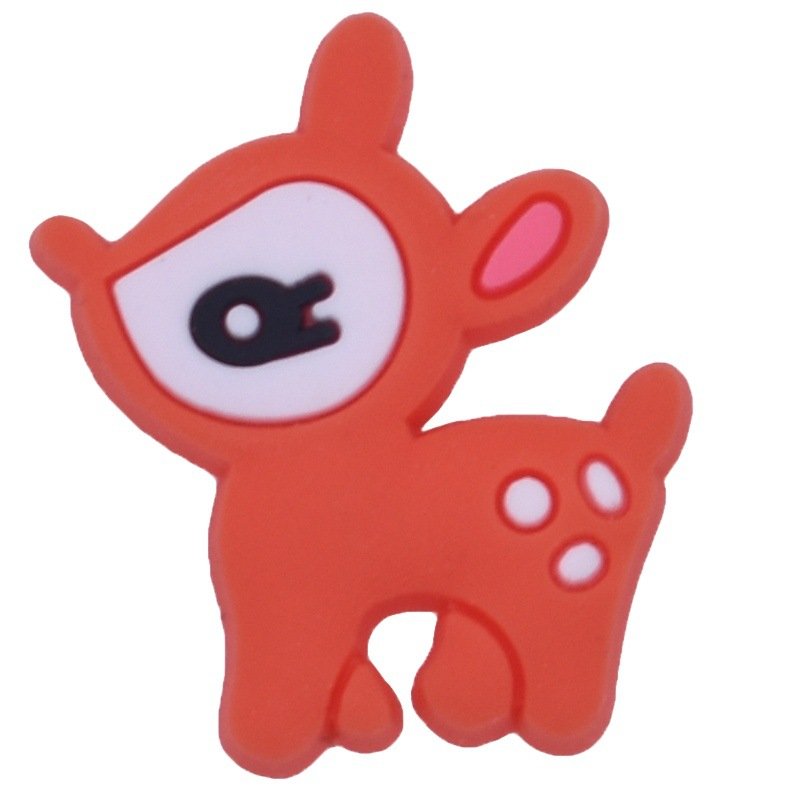





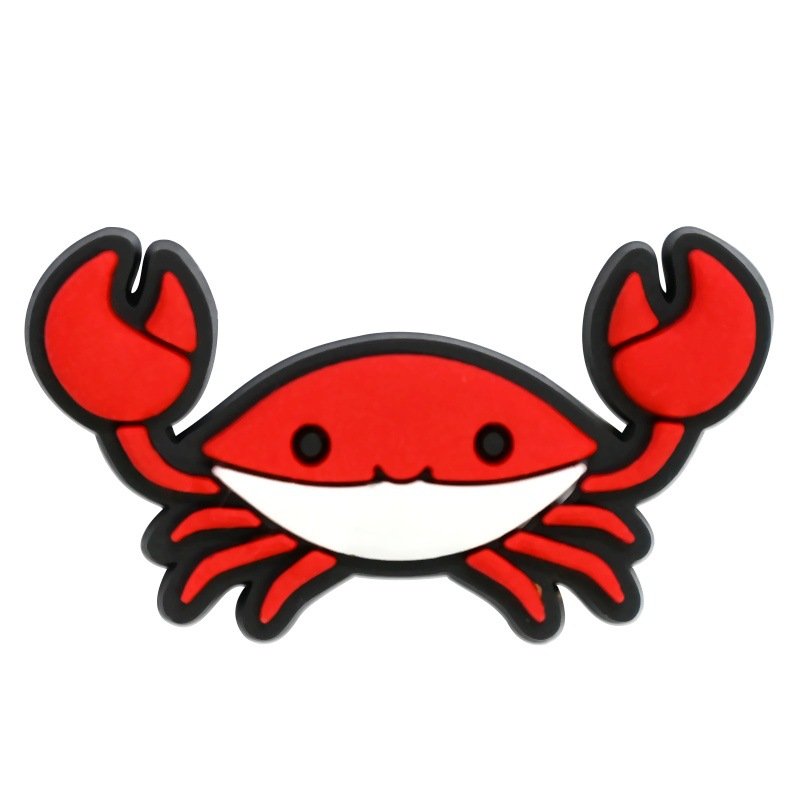
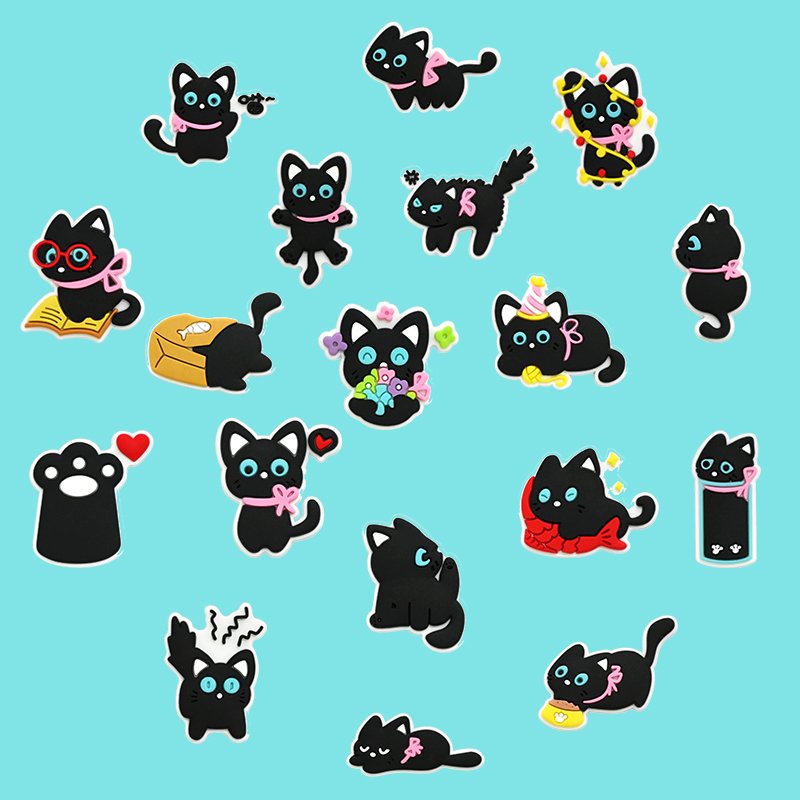


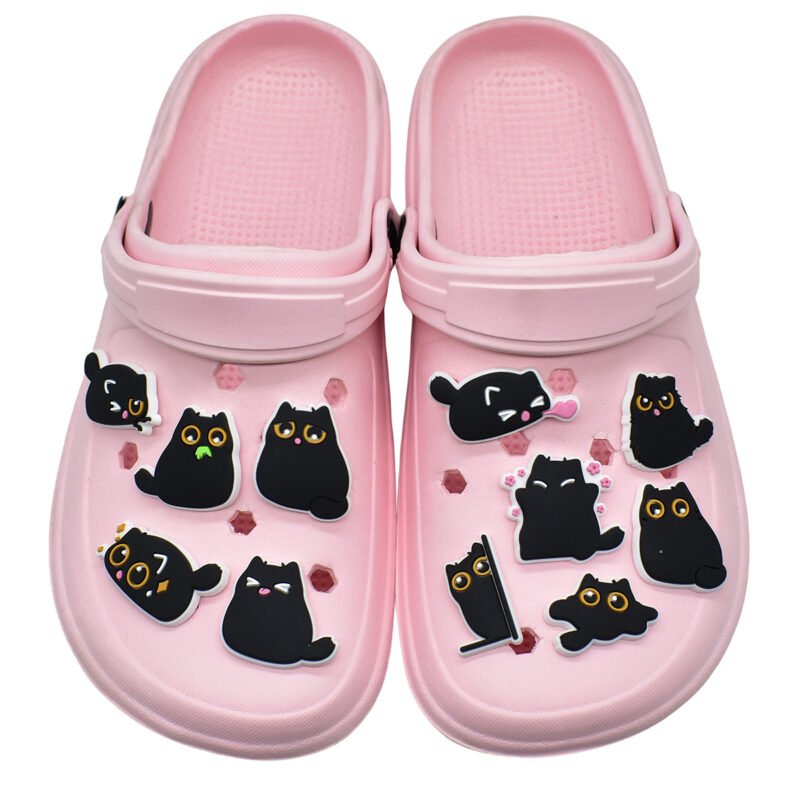


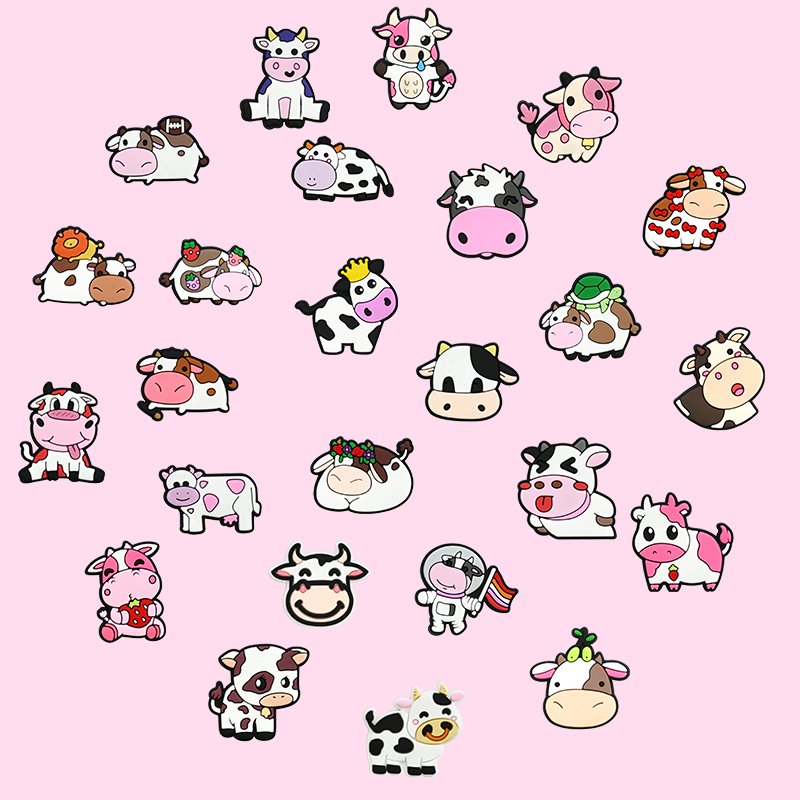


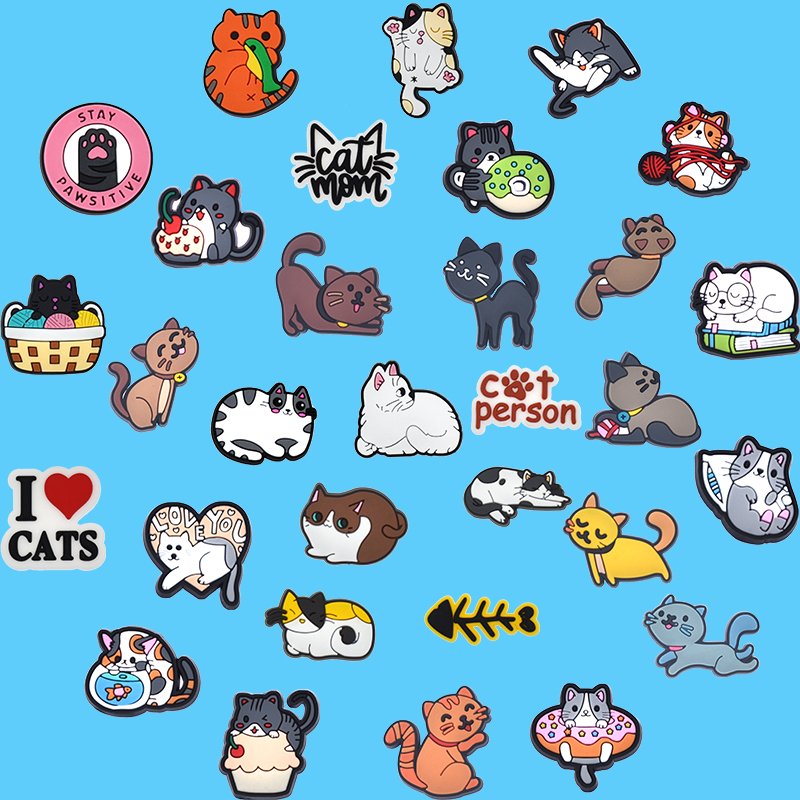
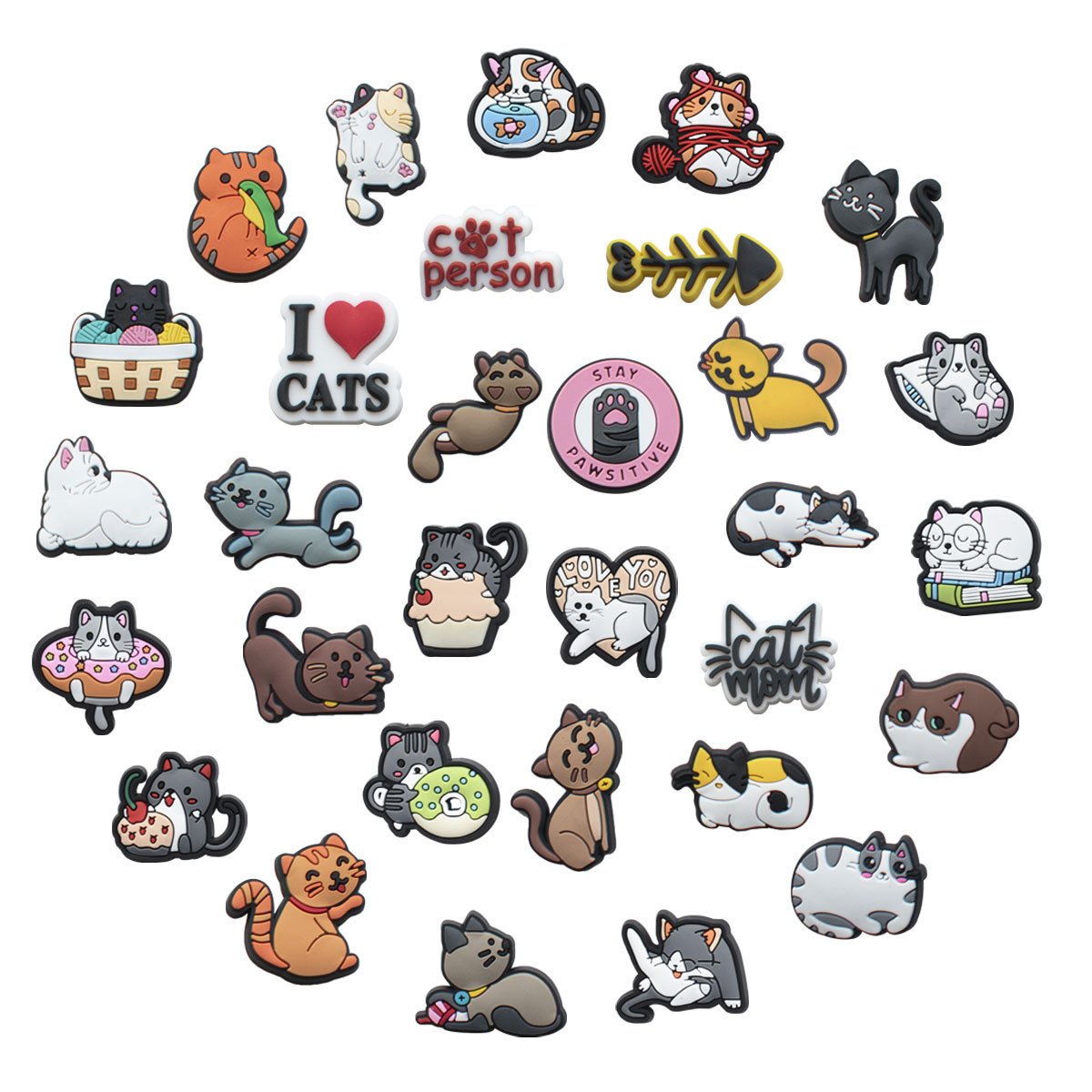
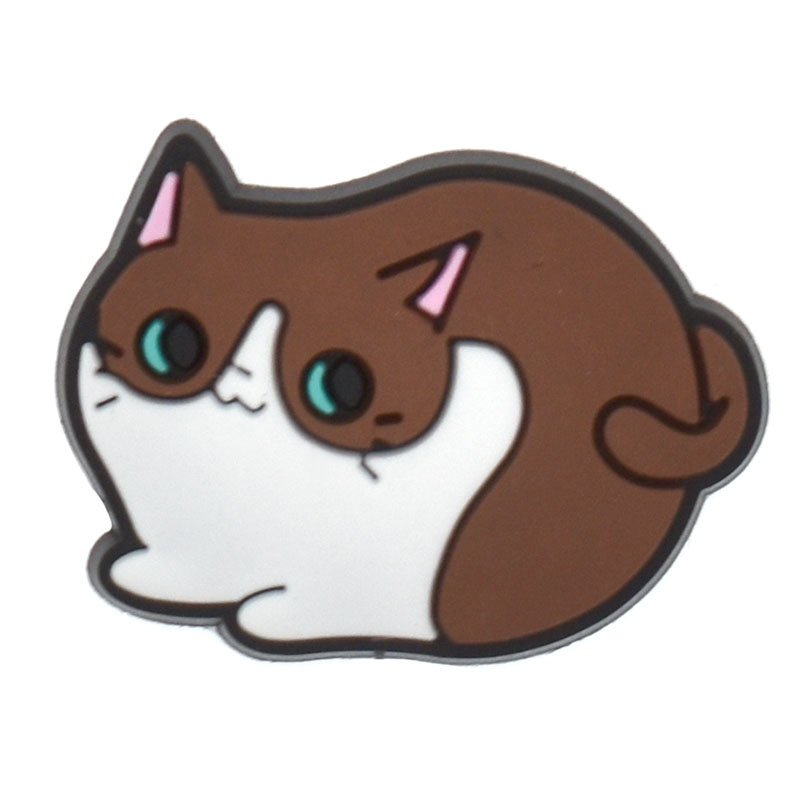
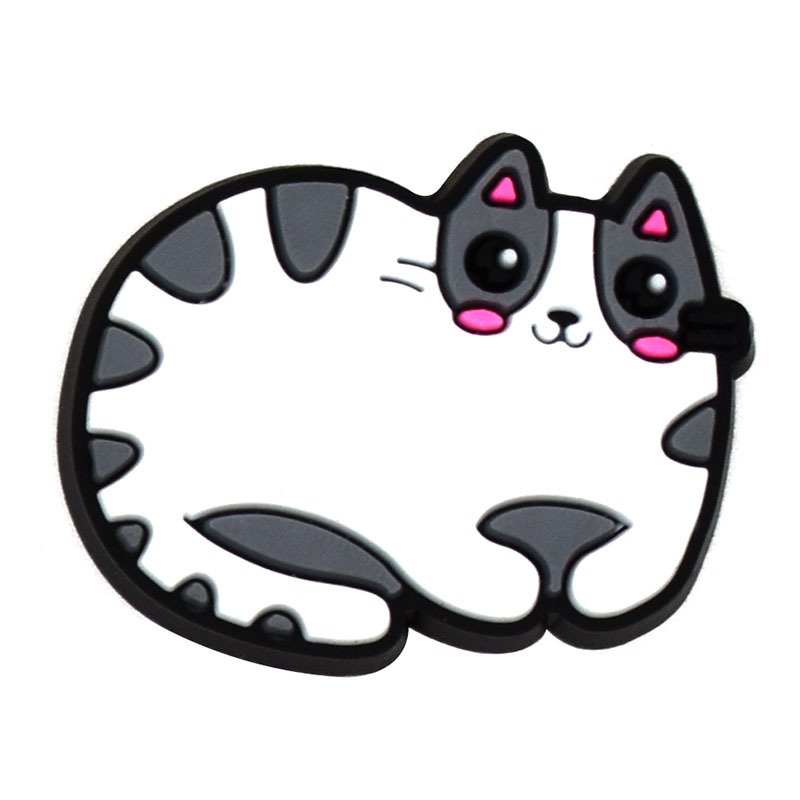
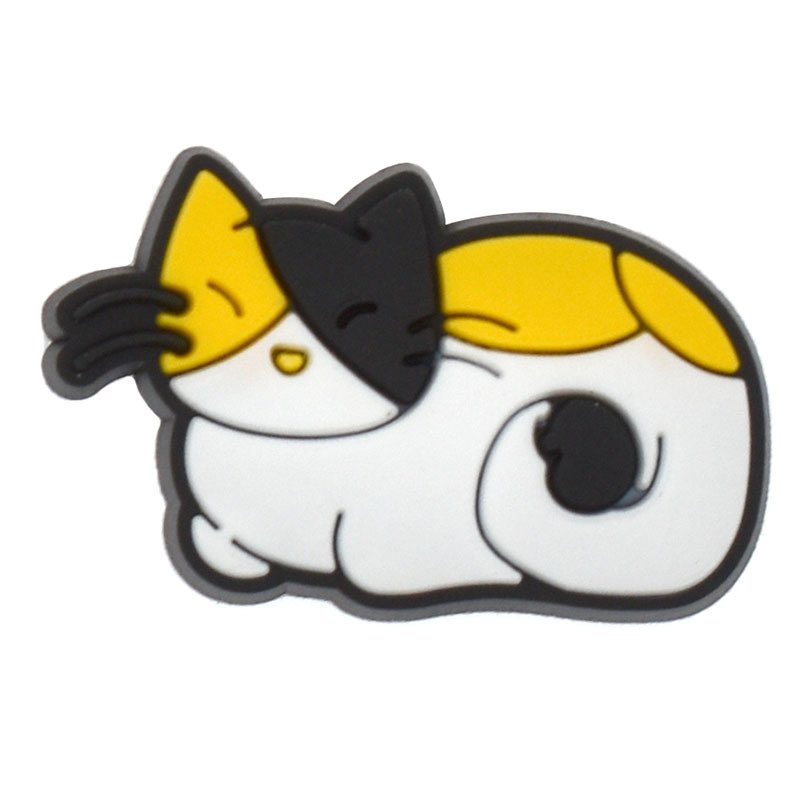
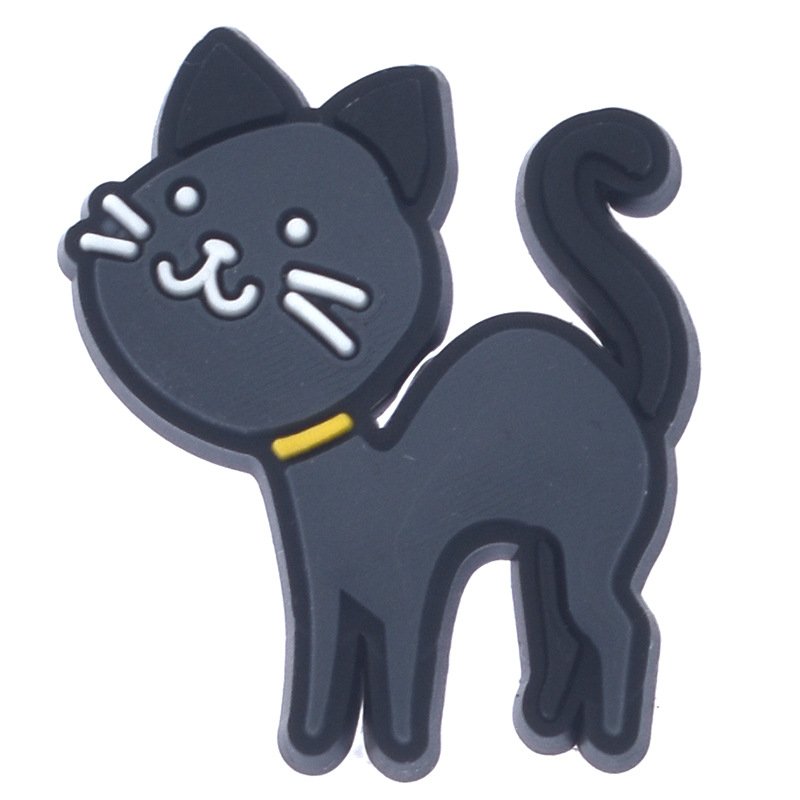

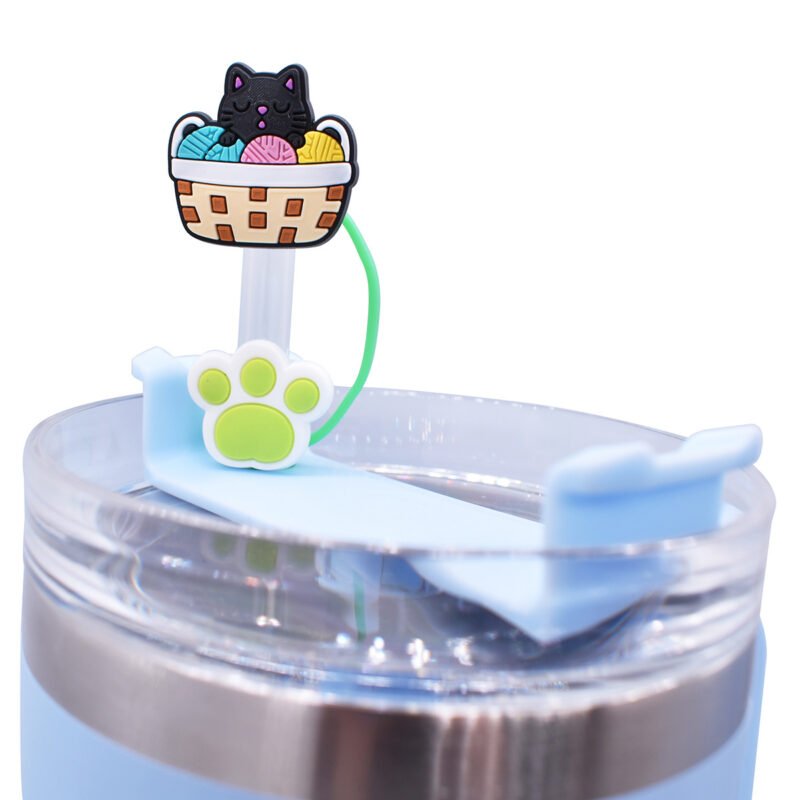
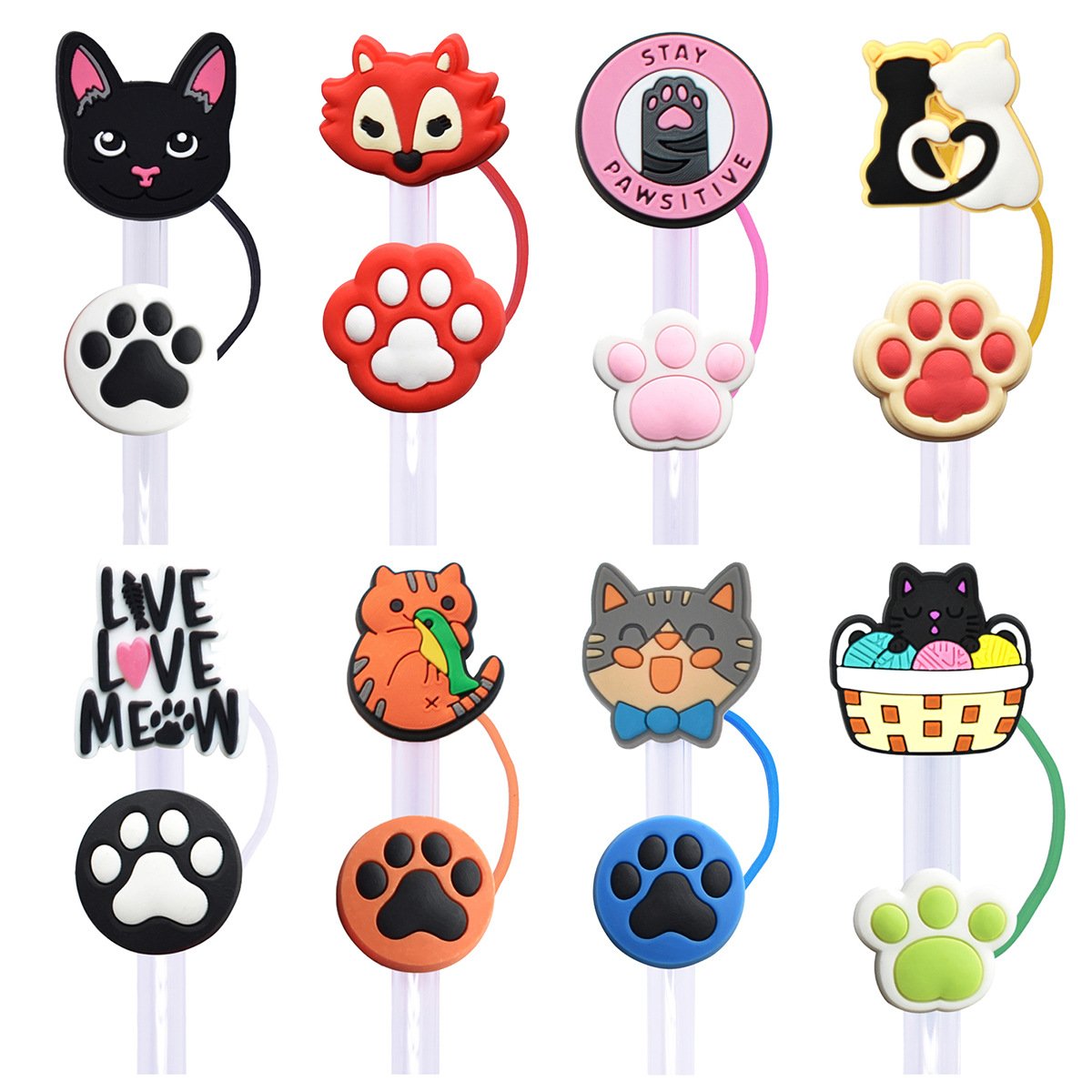
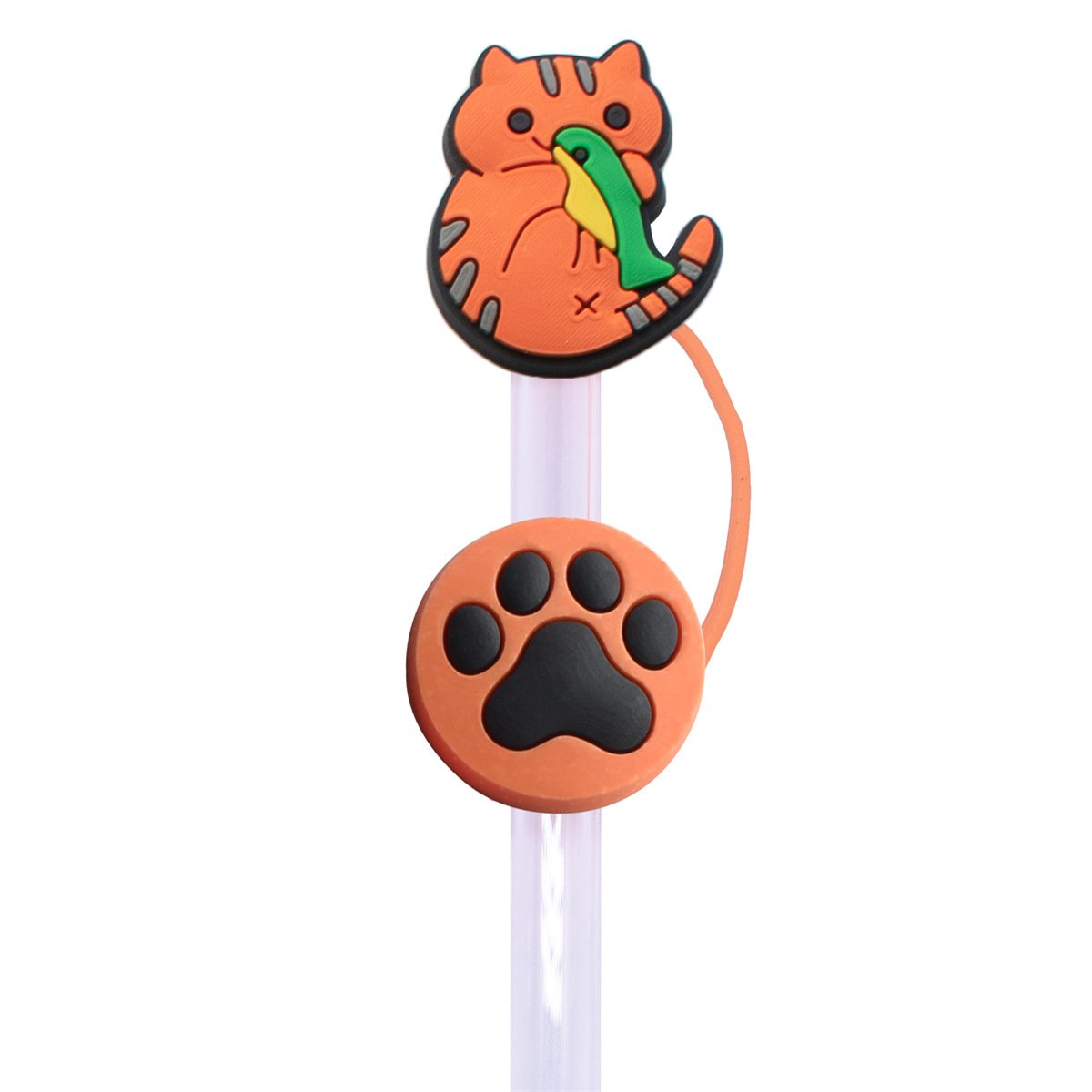
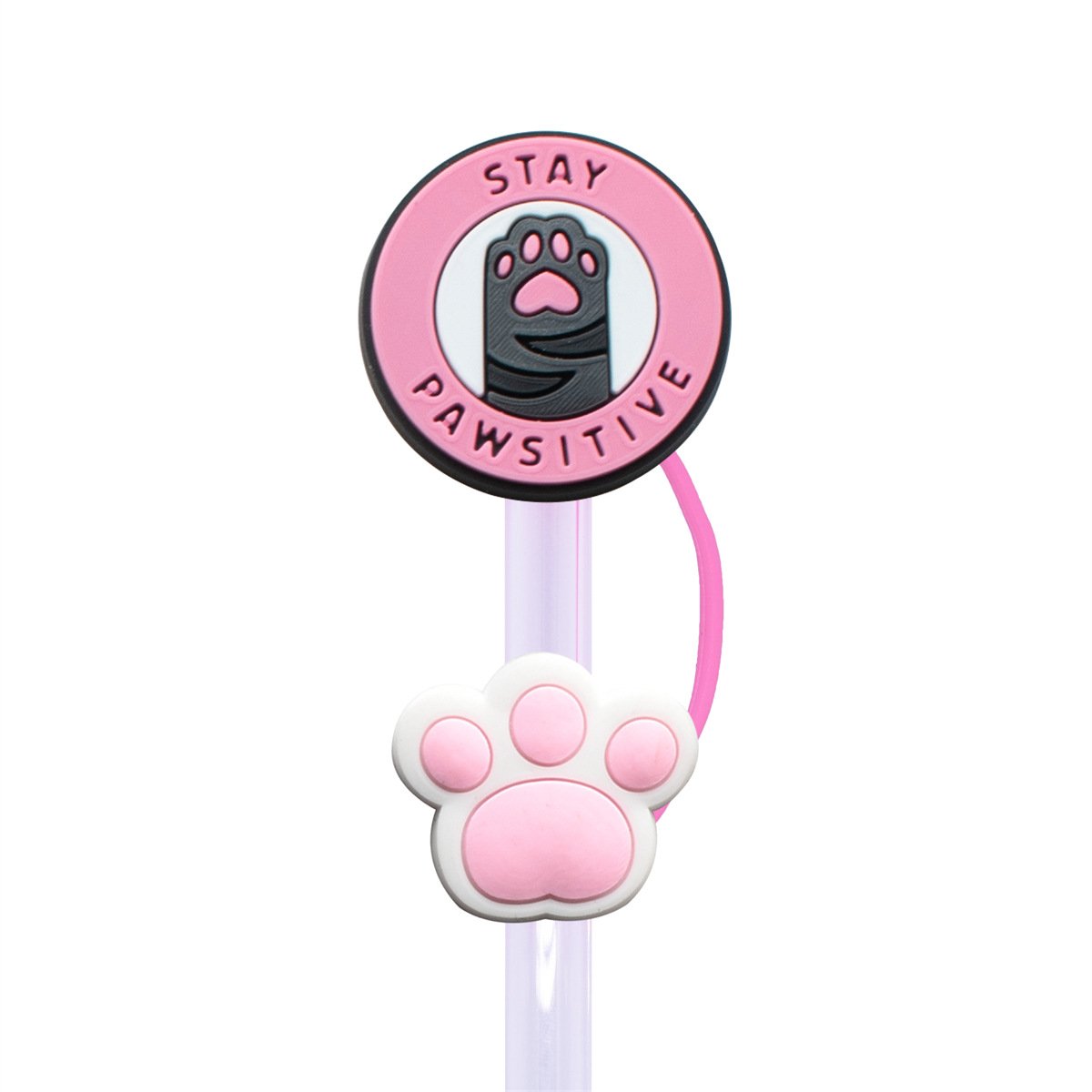
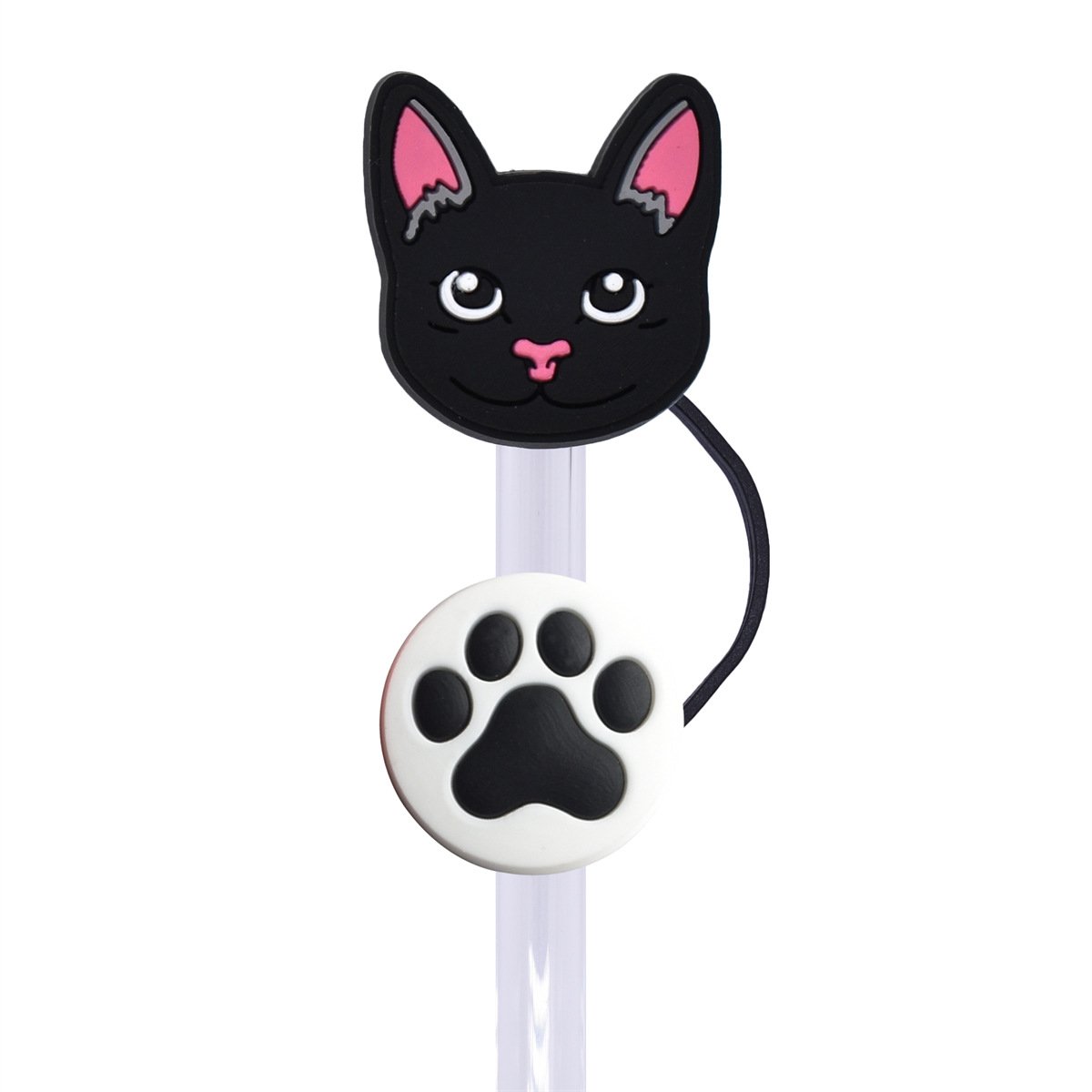
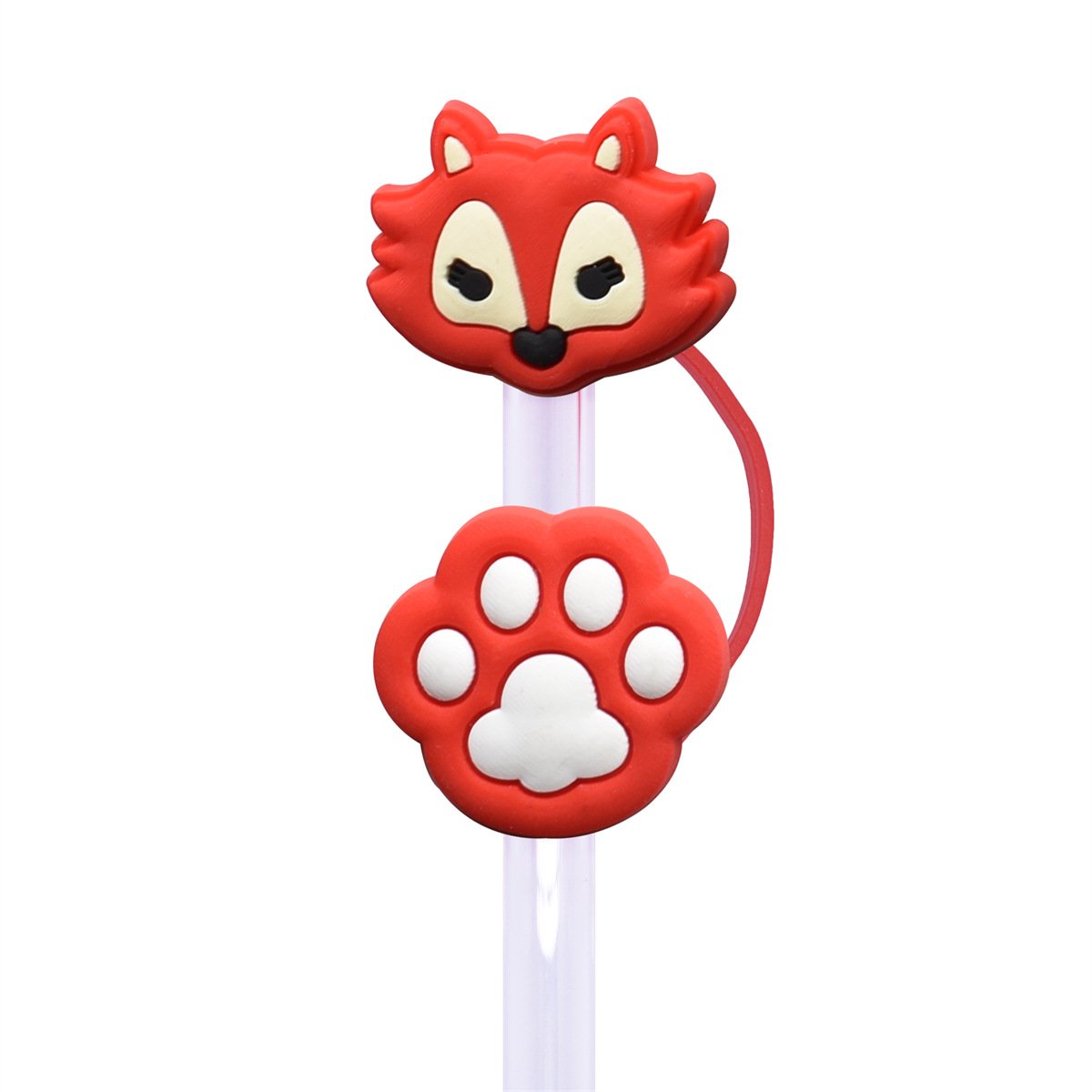
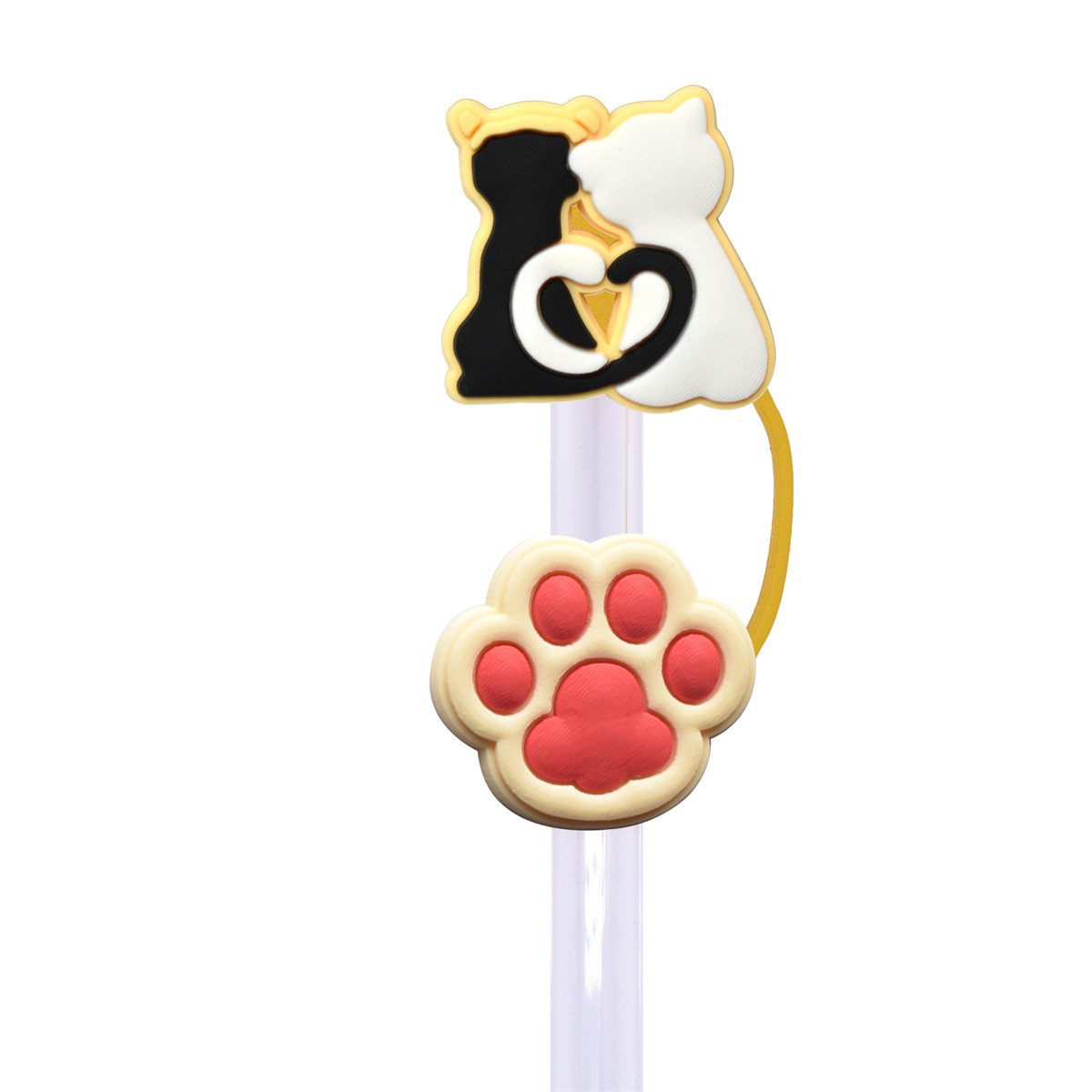
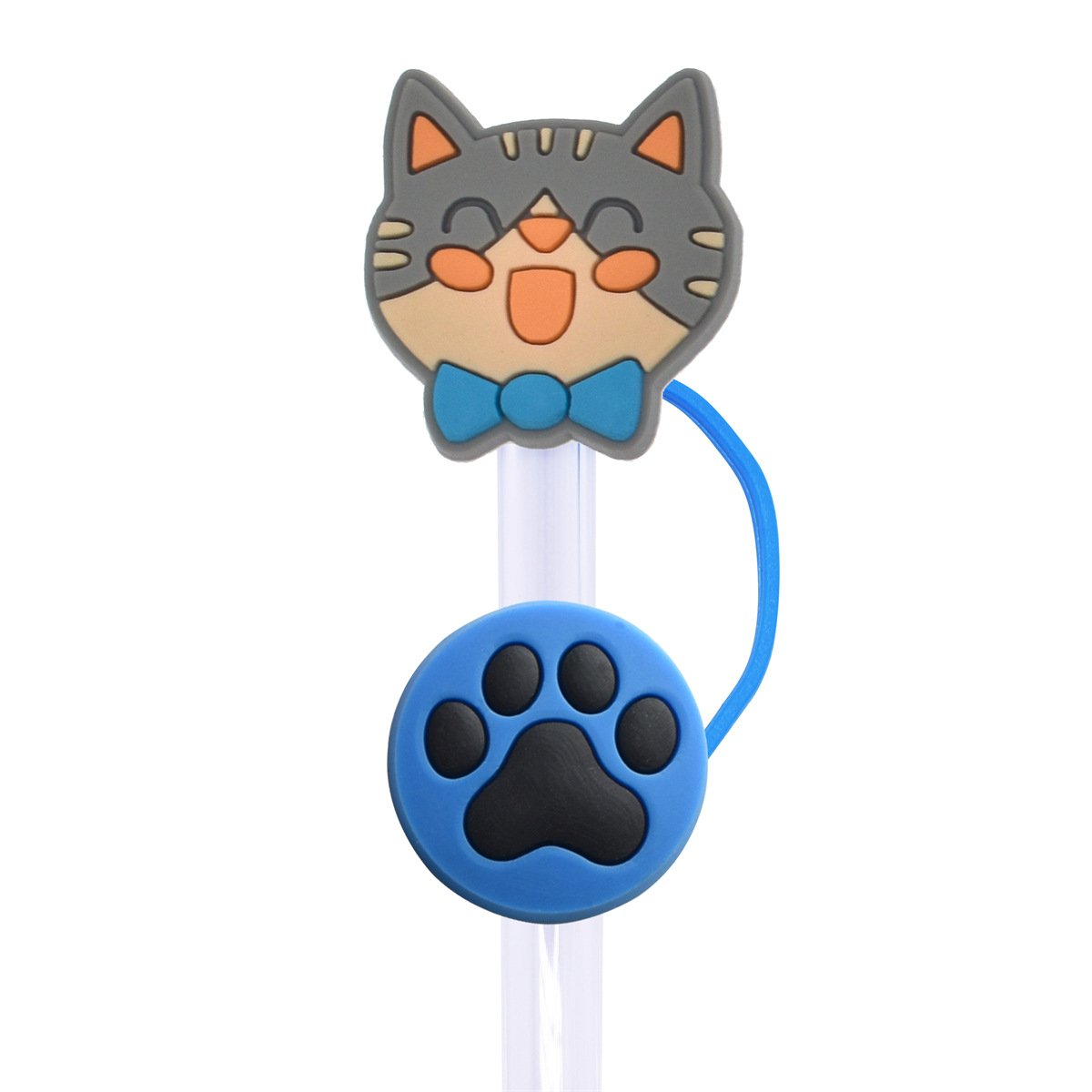
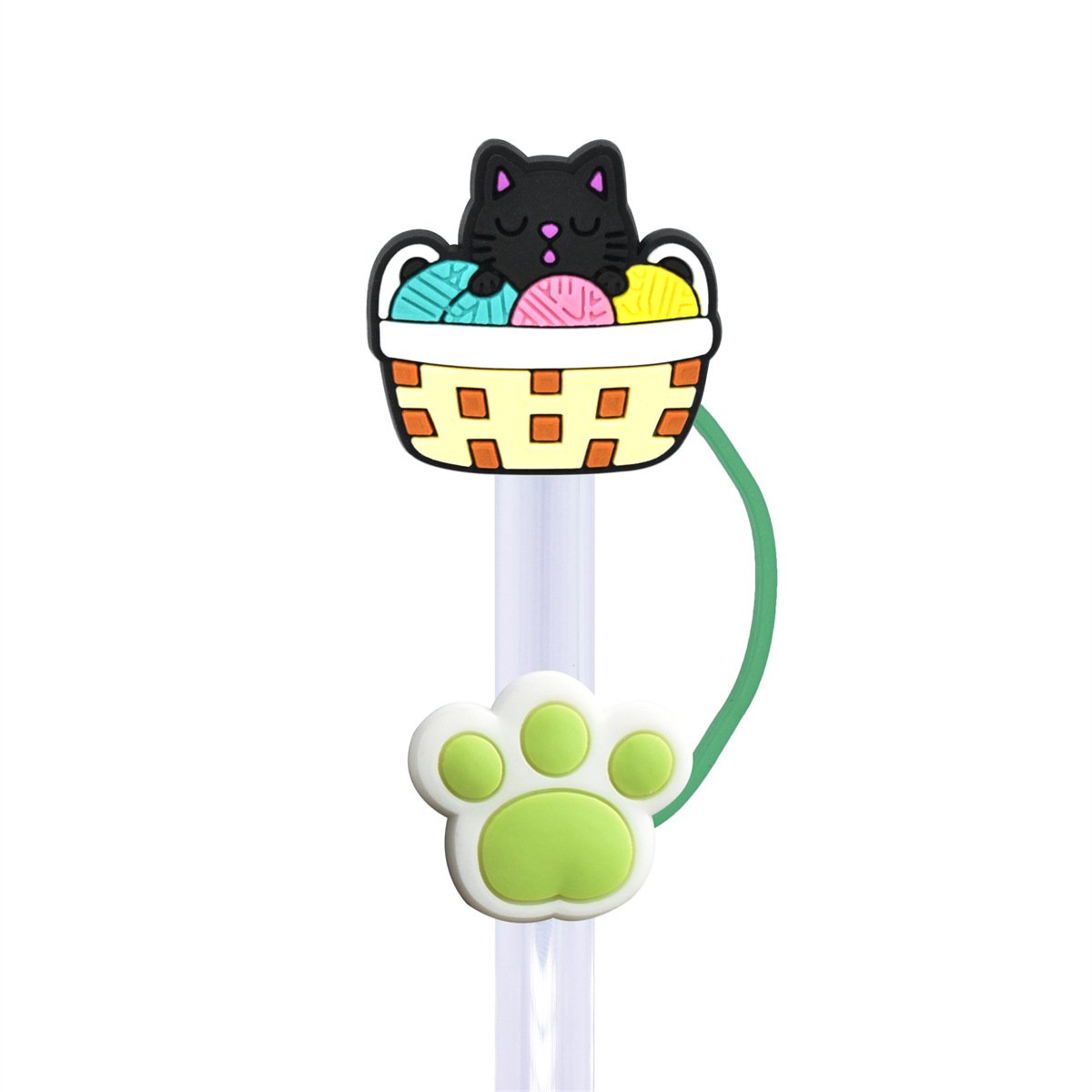
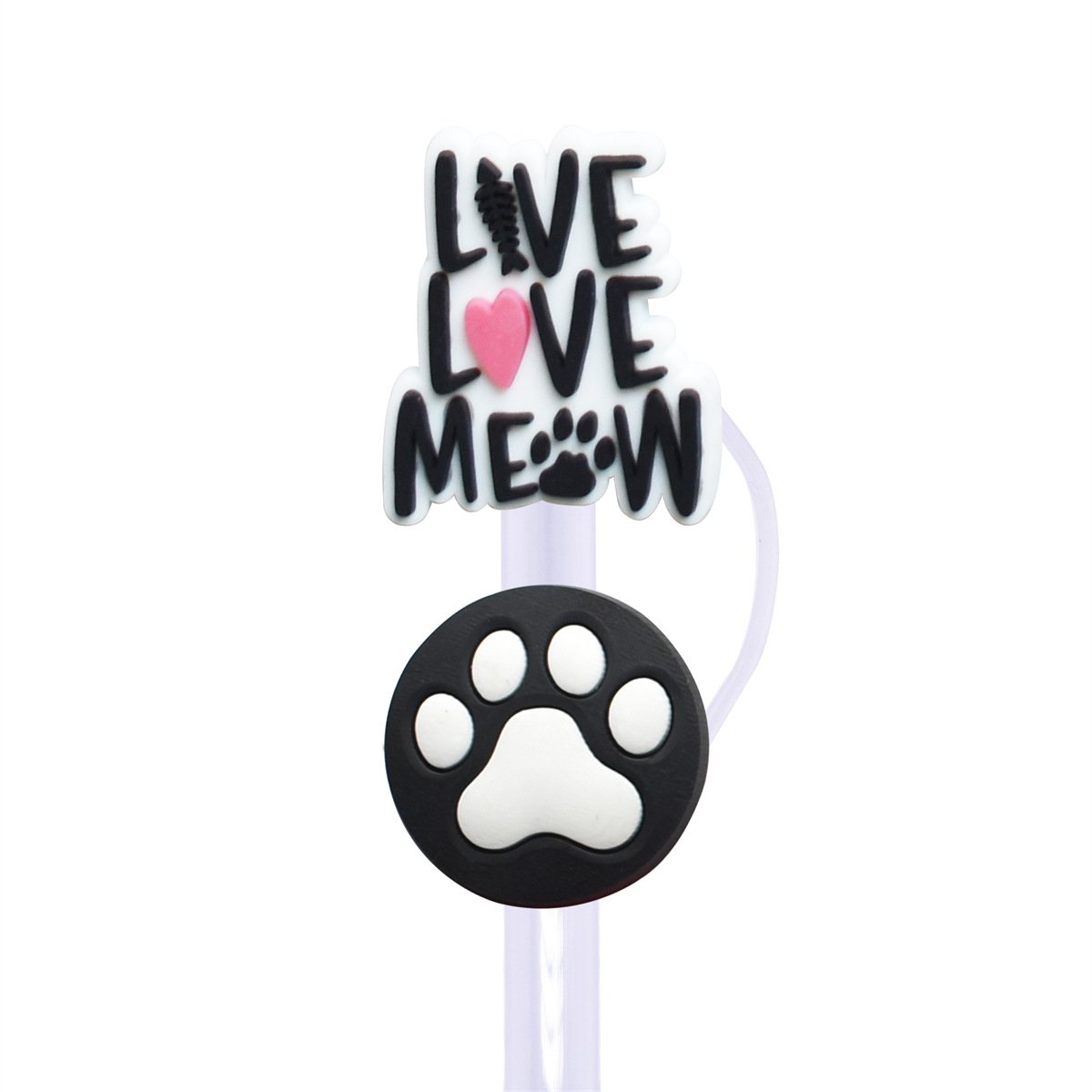
By selecting PVC for Custom Finished Shoe Accessories, procurement professionals can achieve significant improvements in profitability through reduced return rates, lower replacement costs, and decreased customer service overhead. The versatility of PVC also enables more creative Custom Shoe Charms designs without compromising on performance or budget constraints.
As market competition intensifies, the strategic advantage offered by PVC Clog Charms becomes increasingly valuable for maintaining competitive pricing while delivering quality products that build brand loyalty and repeat business.
Forward-thinking procurement managers should consider PVC as the foundational material for their Shoe Accessories lines, leveraging its technical and economic benefits to maximize return on investment while minimizing supply chain risks associated with product failures and returns.