5 Key Advantages of Custom PVC Shoe Accessories: Businesses’ Path to Profit Breakthrough in the Shoe Accessory Market
November 11, 2025
PVC Shoe Charms: 1000+ Personalized Styles – Why Are They a Worldwide Hit? The Crossover Boom from Croc Shoes to Must-Have Phone Case Decor
November 19, 2025

Must-Read for Shoe Decoration Entrepreneurs: 2 Game-Changing Materials (PVC vs Rubber) – Win Big + Avoid Pitfalls with Business Insights + Customization Guide


ZhiYuan Charms Custom
November 13, 2025

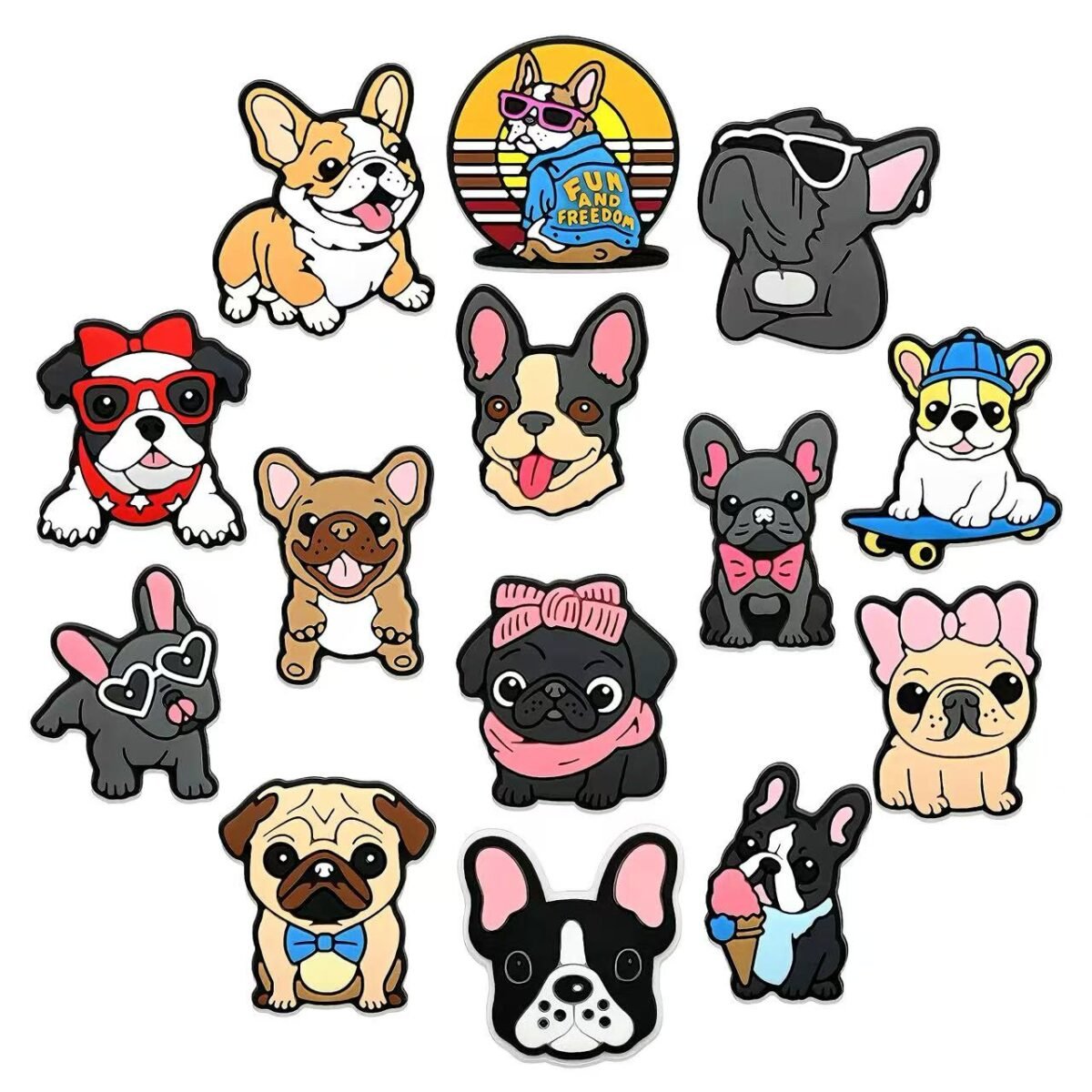
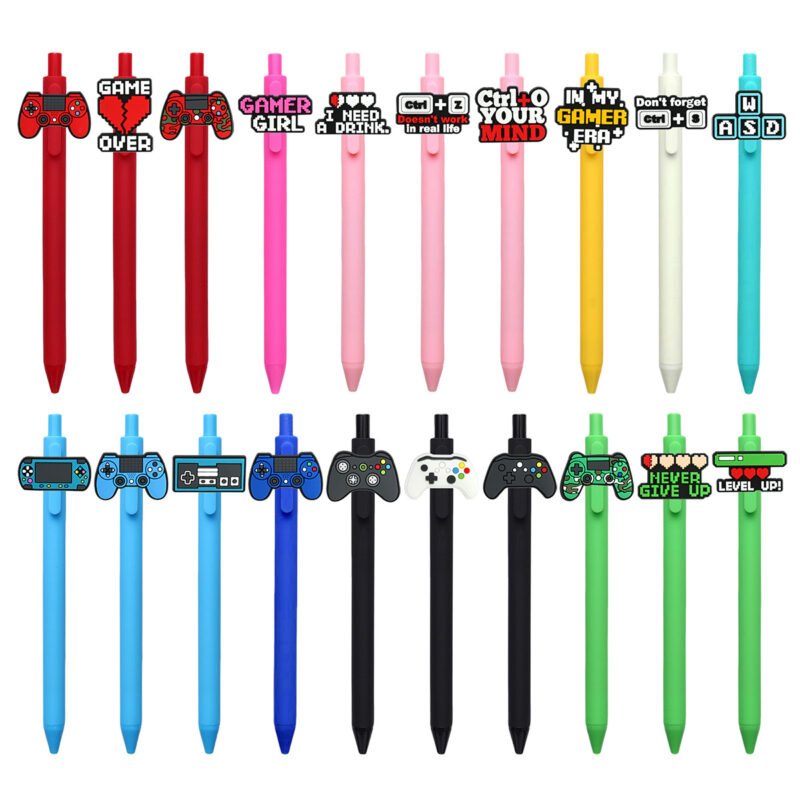
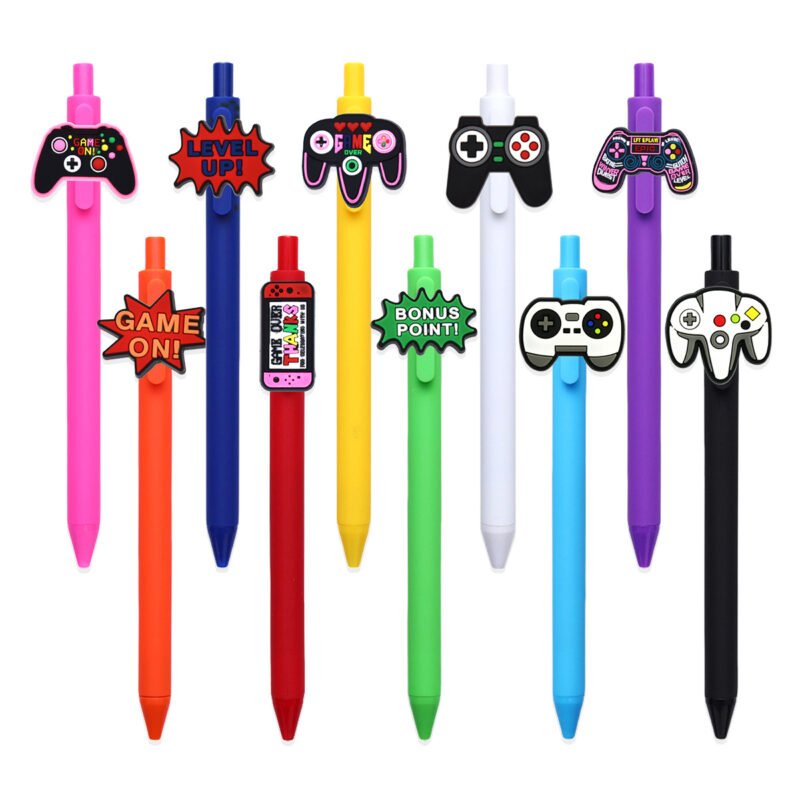
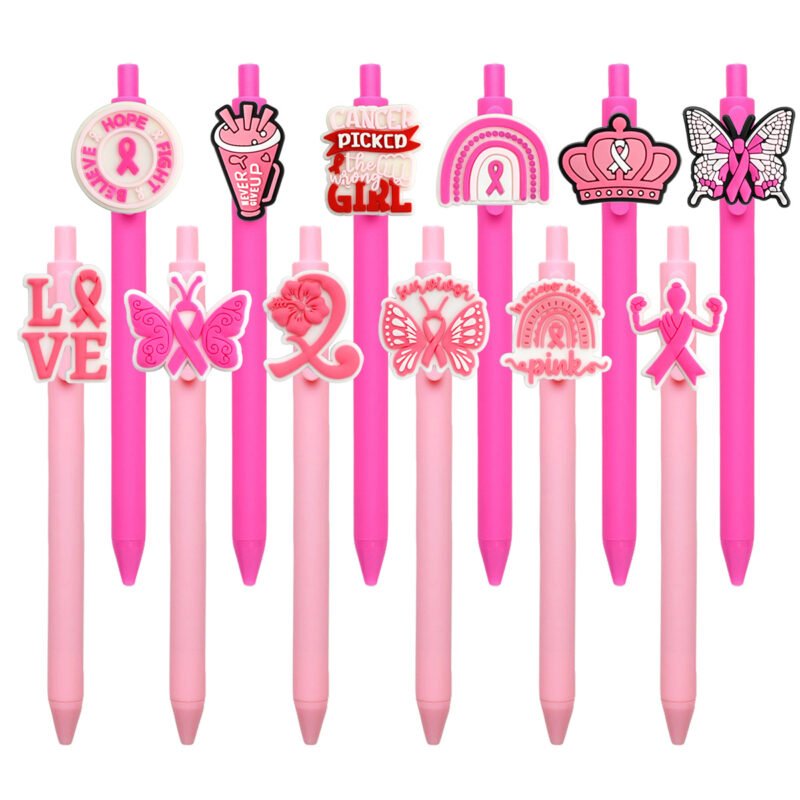
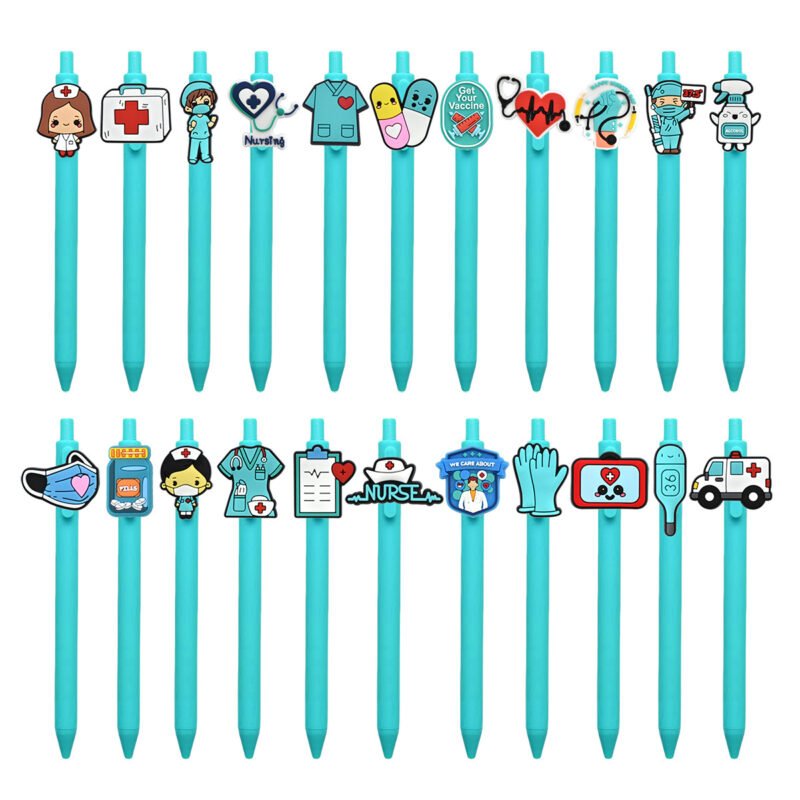
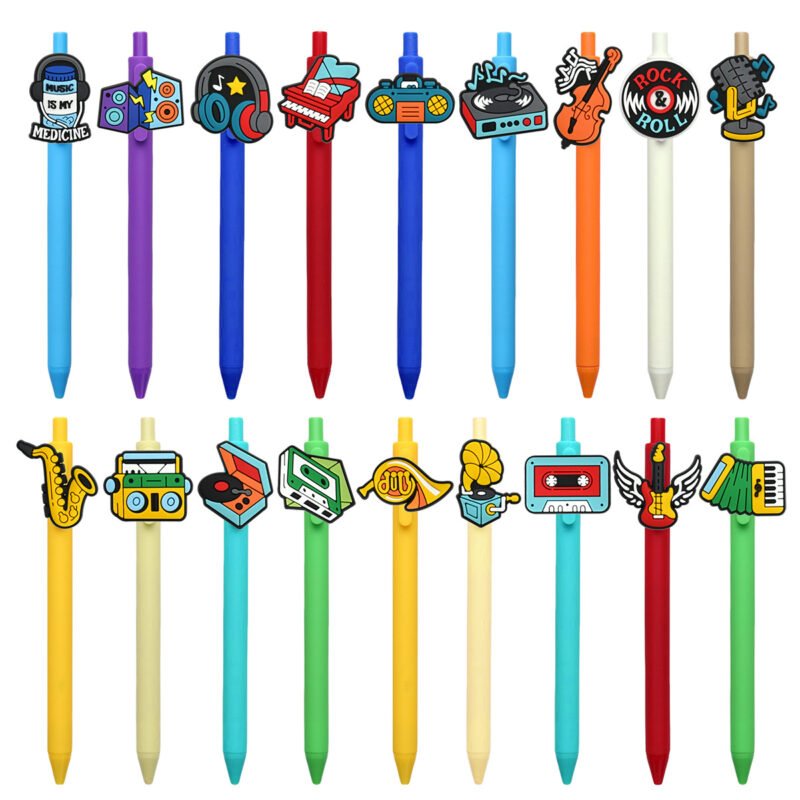
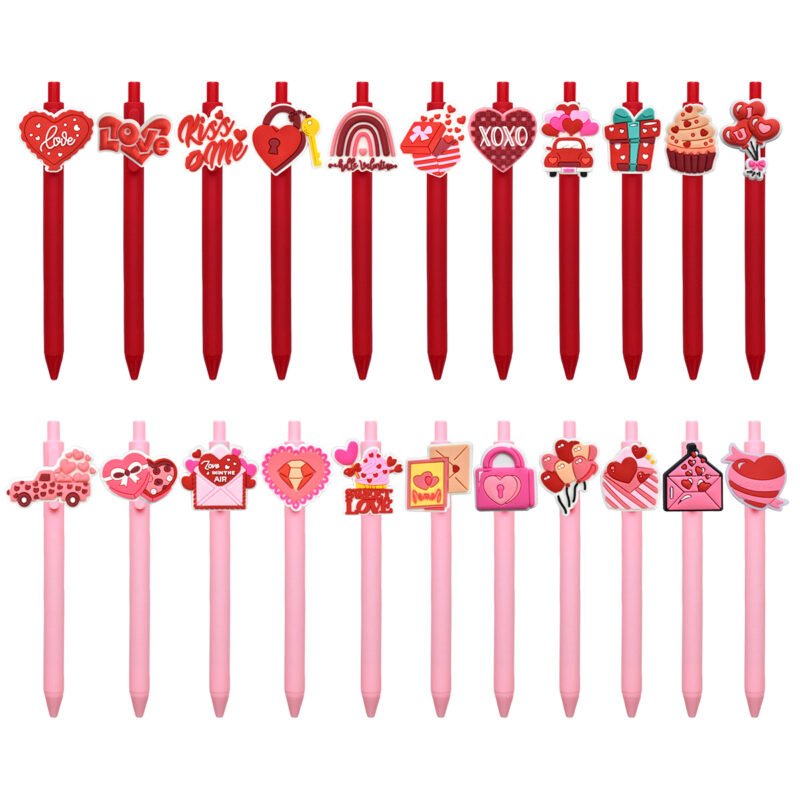
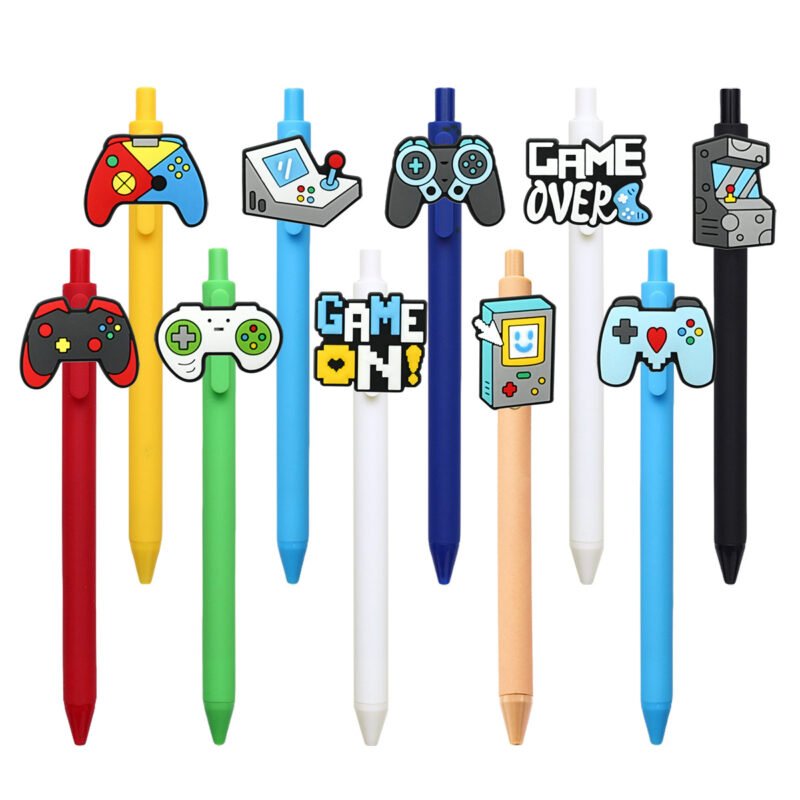
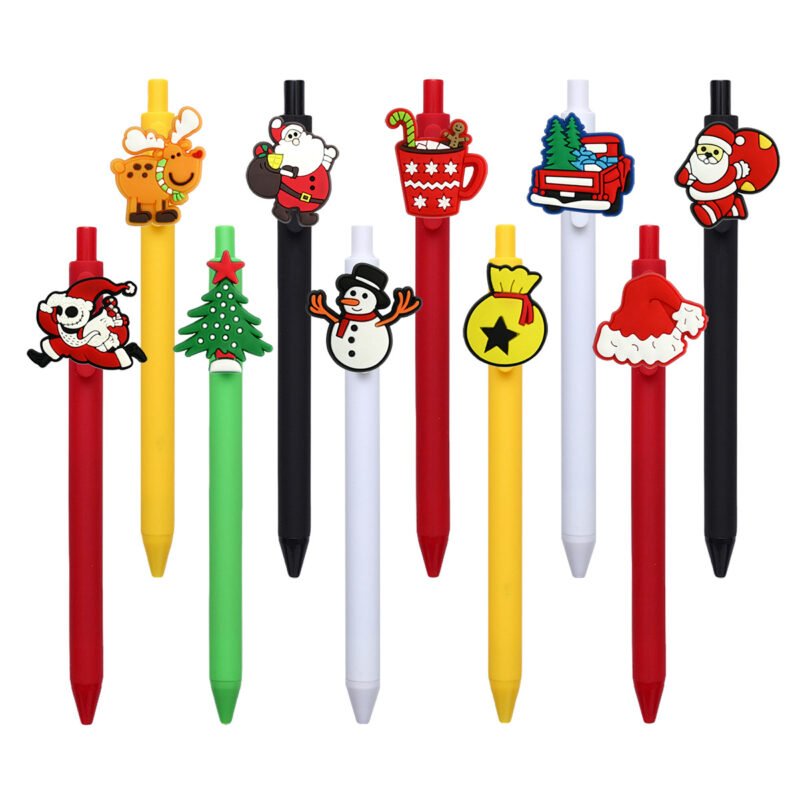
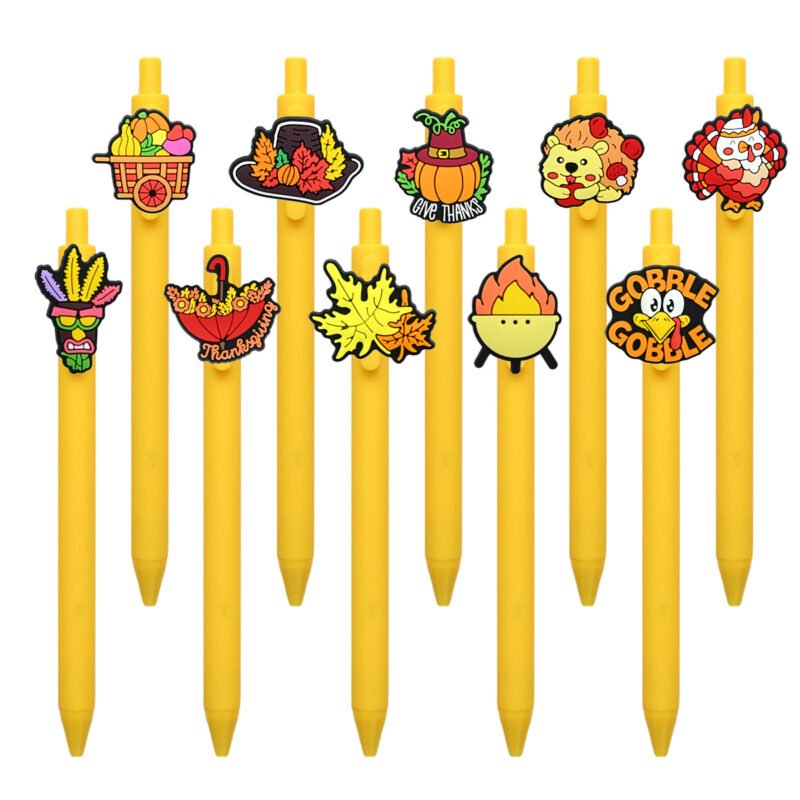
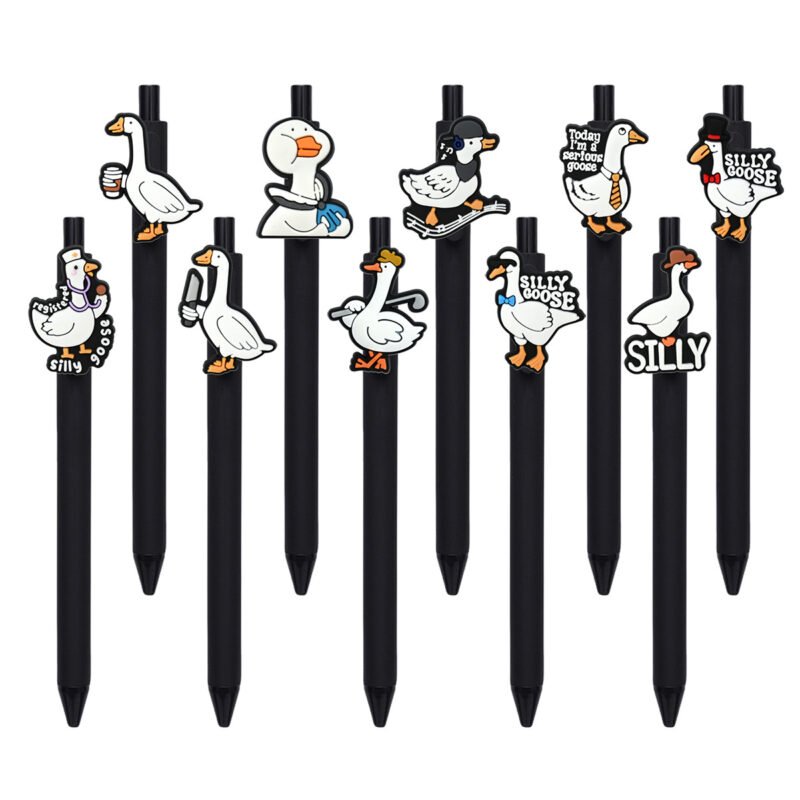
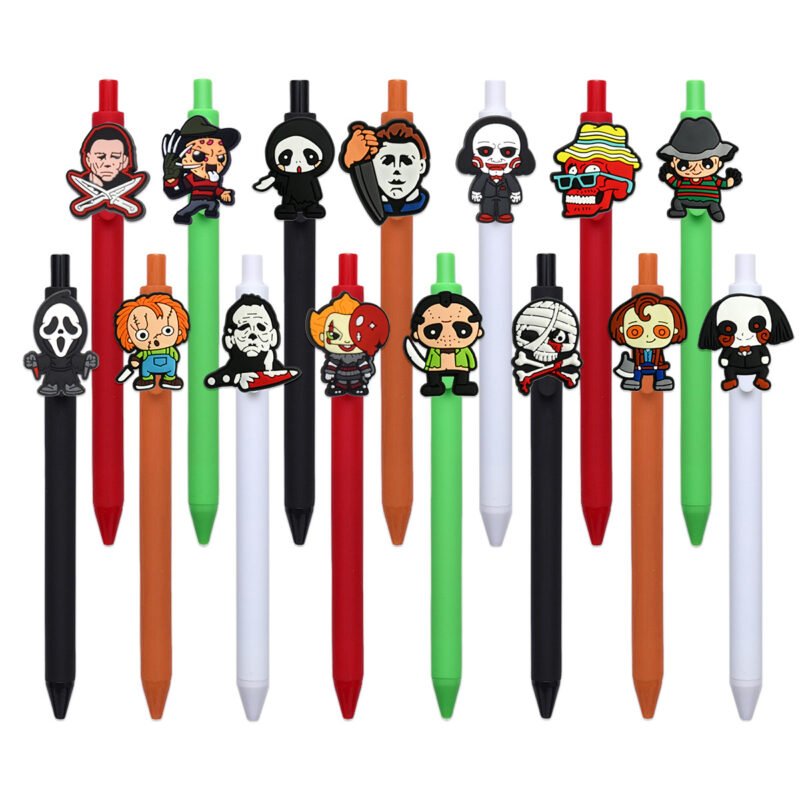
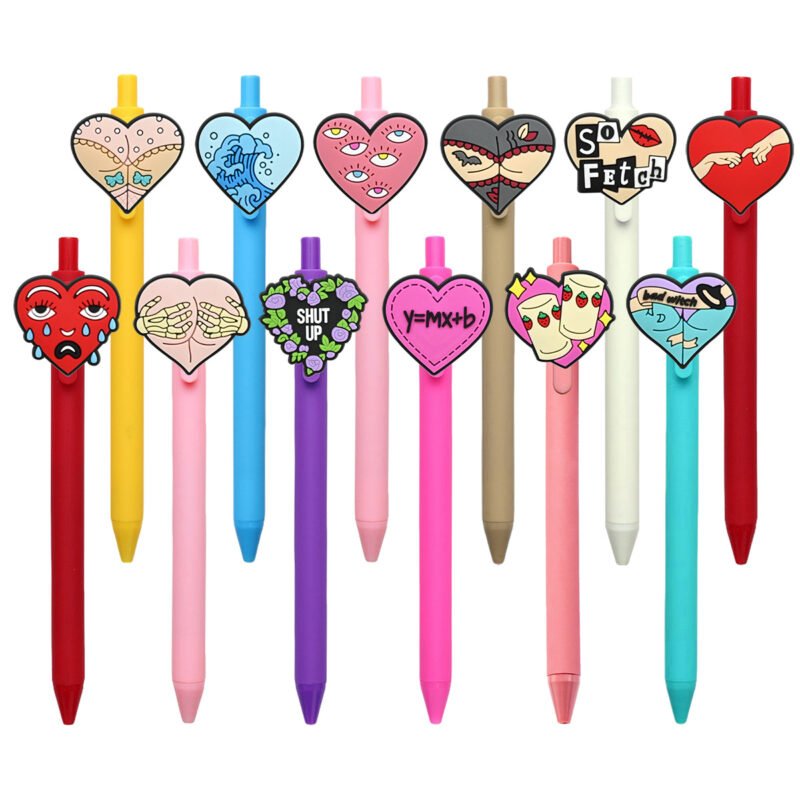
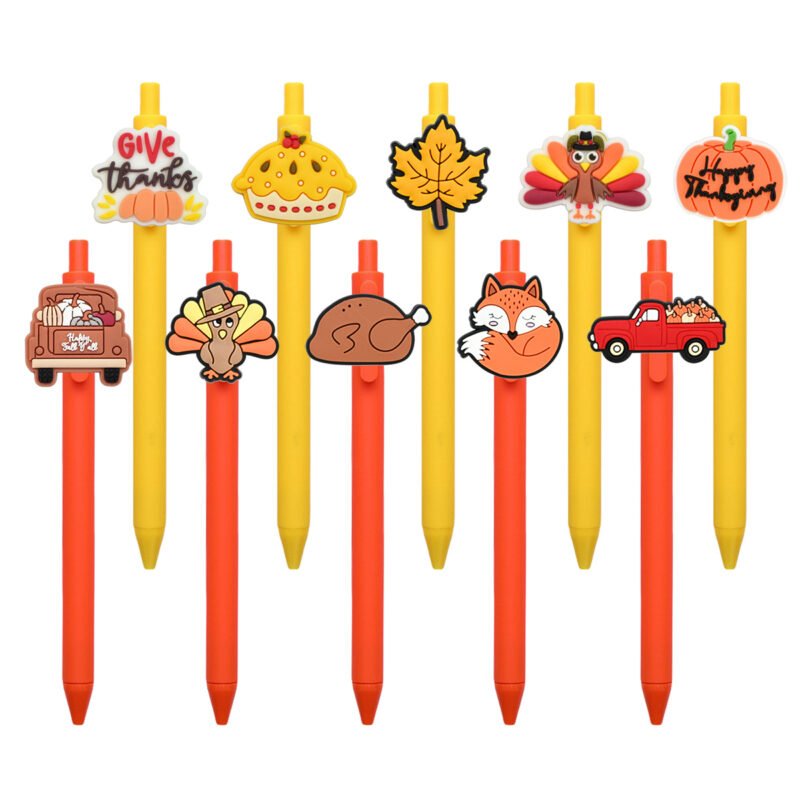
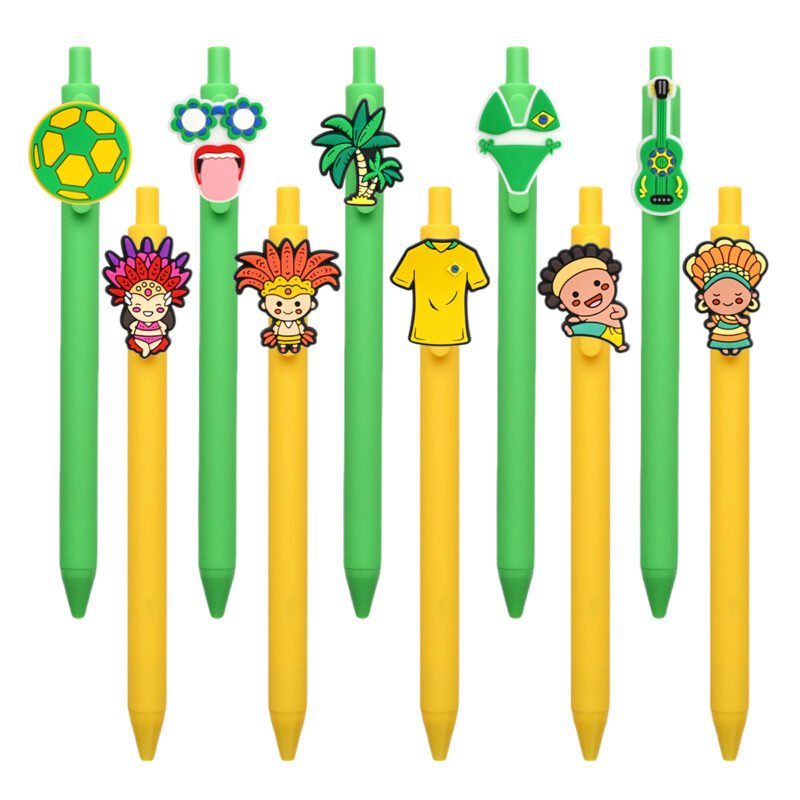
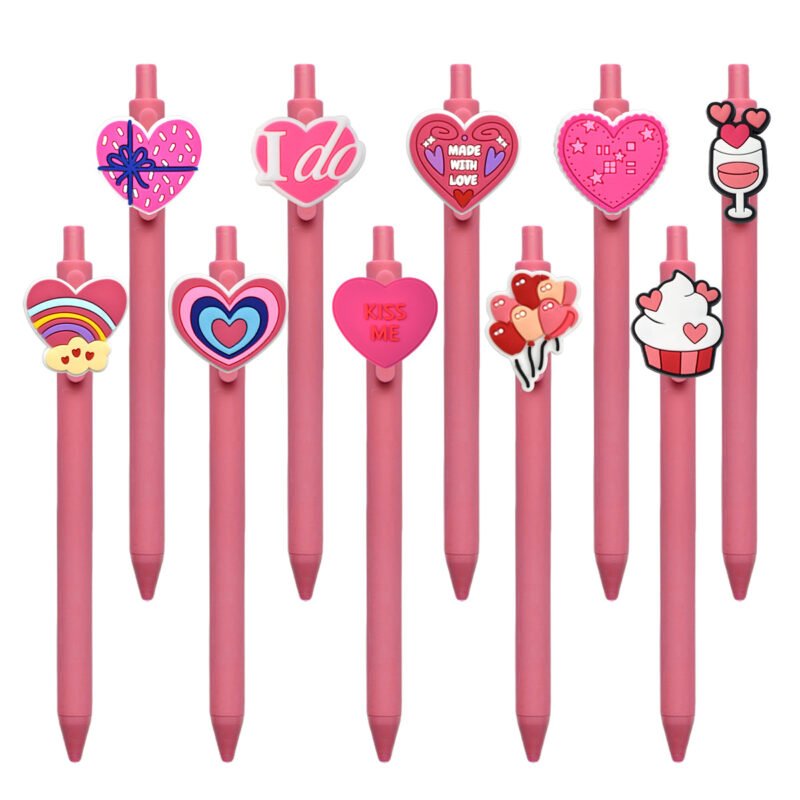
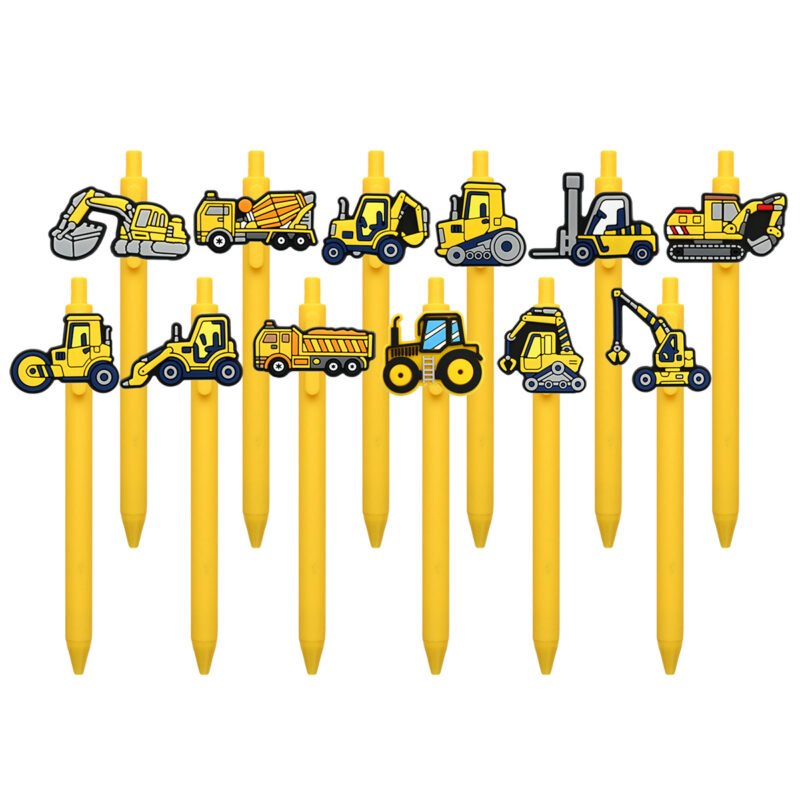
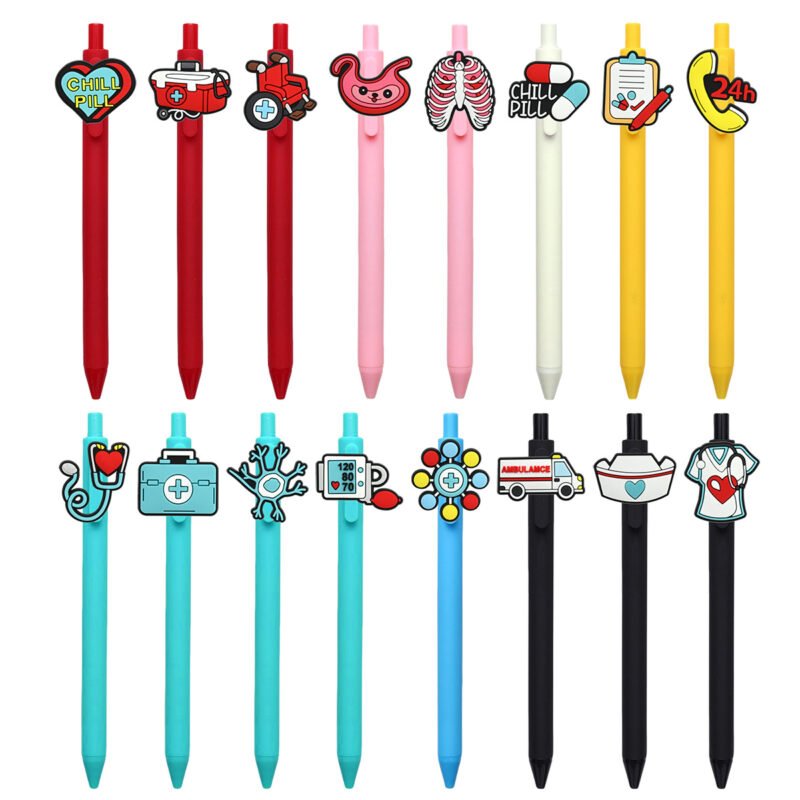
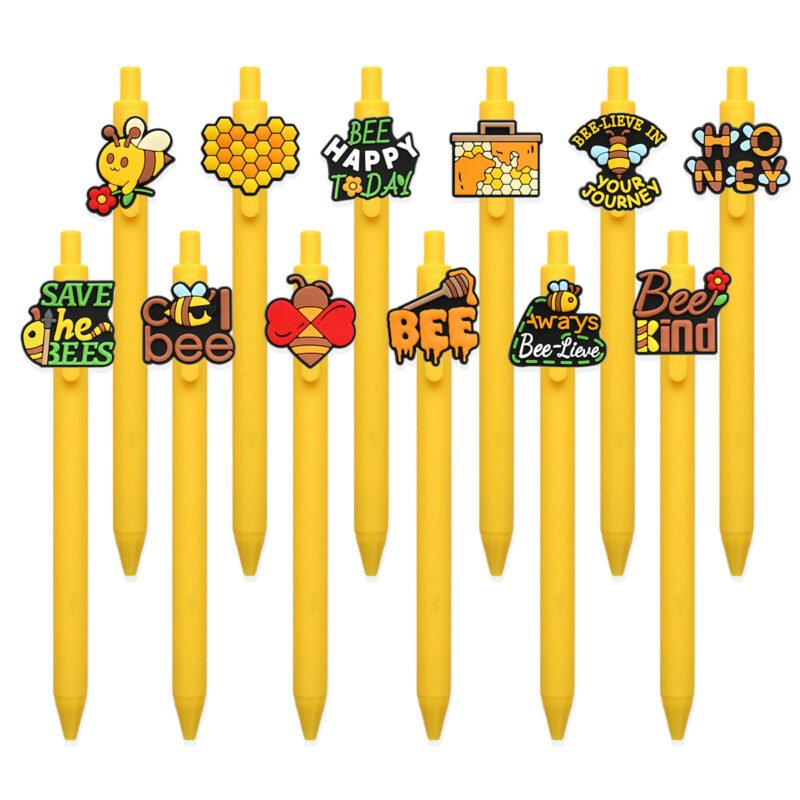
We support customization of the following categories, but not limited to: from as small as 1 piece to as large as 100,000 we can undertake; quick sample making (3-7 days), efficient mass production (7-15 days), and flexible response to demand.

Must-Read for Shoe Decoration Entrepreneurs: PVC vs Rubber Shoe Decorations – Business Insights + Customization Manual

Today, from a business operator’s perspective, I’ll break down the pros and cons of these two types of shoe decorations thoroughly to help you avoid detours when making a purchase. The content will cover key issues like design flexibility, durability, and cost control. It will also touch on practical pointers for popular categories such as custom PVC shoe accessories and Shoe Decoration—whether you’re a personal buyer or a bulk purchaser, these insights will help you spend your money wisely.

1.Finished PVC Shoe Decoration: My Take on the New Favorite in Shoe Decorations
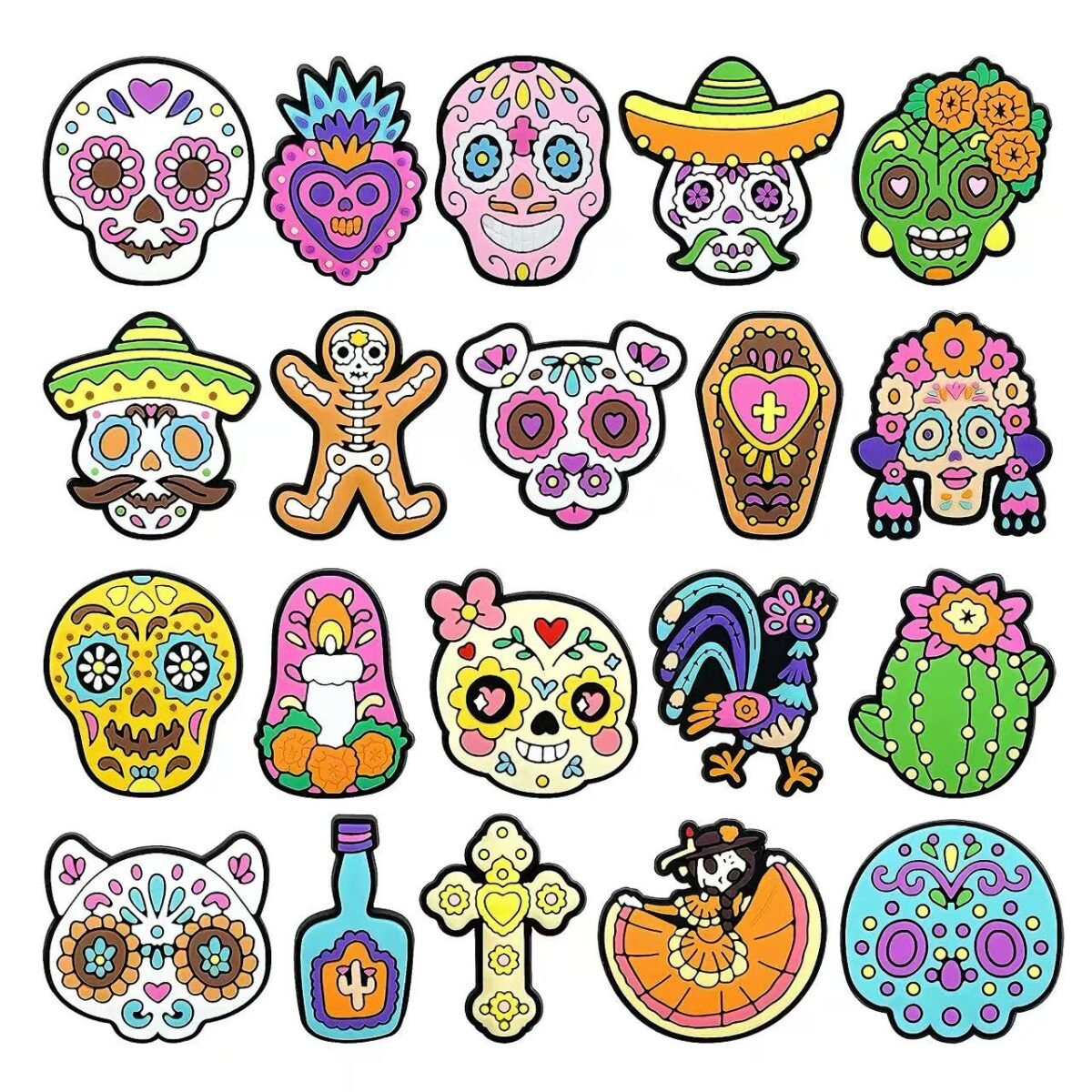
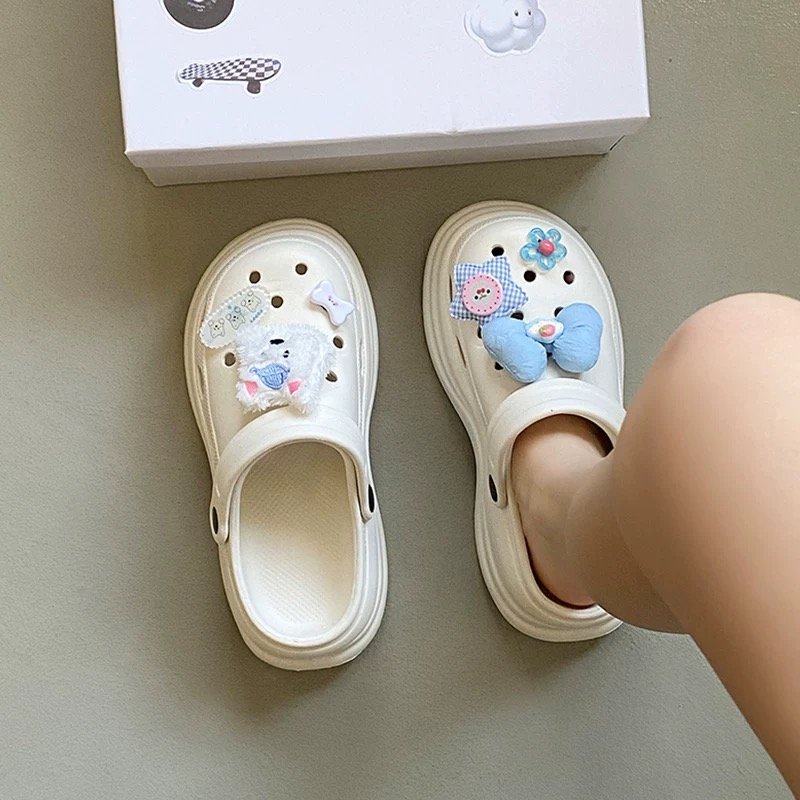
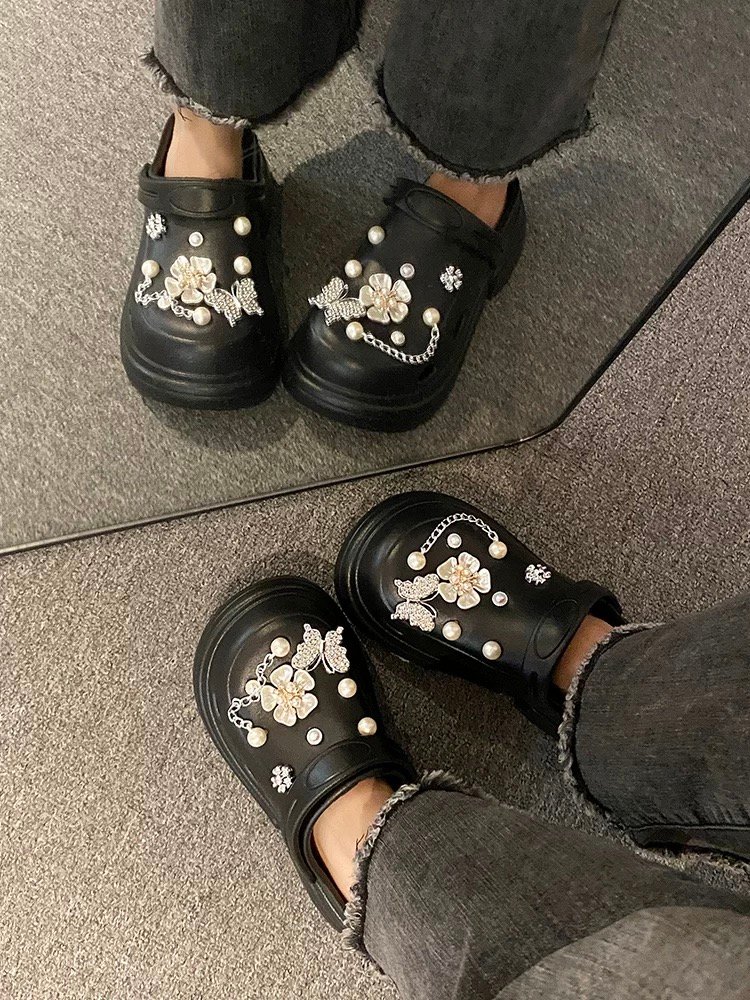
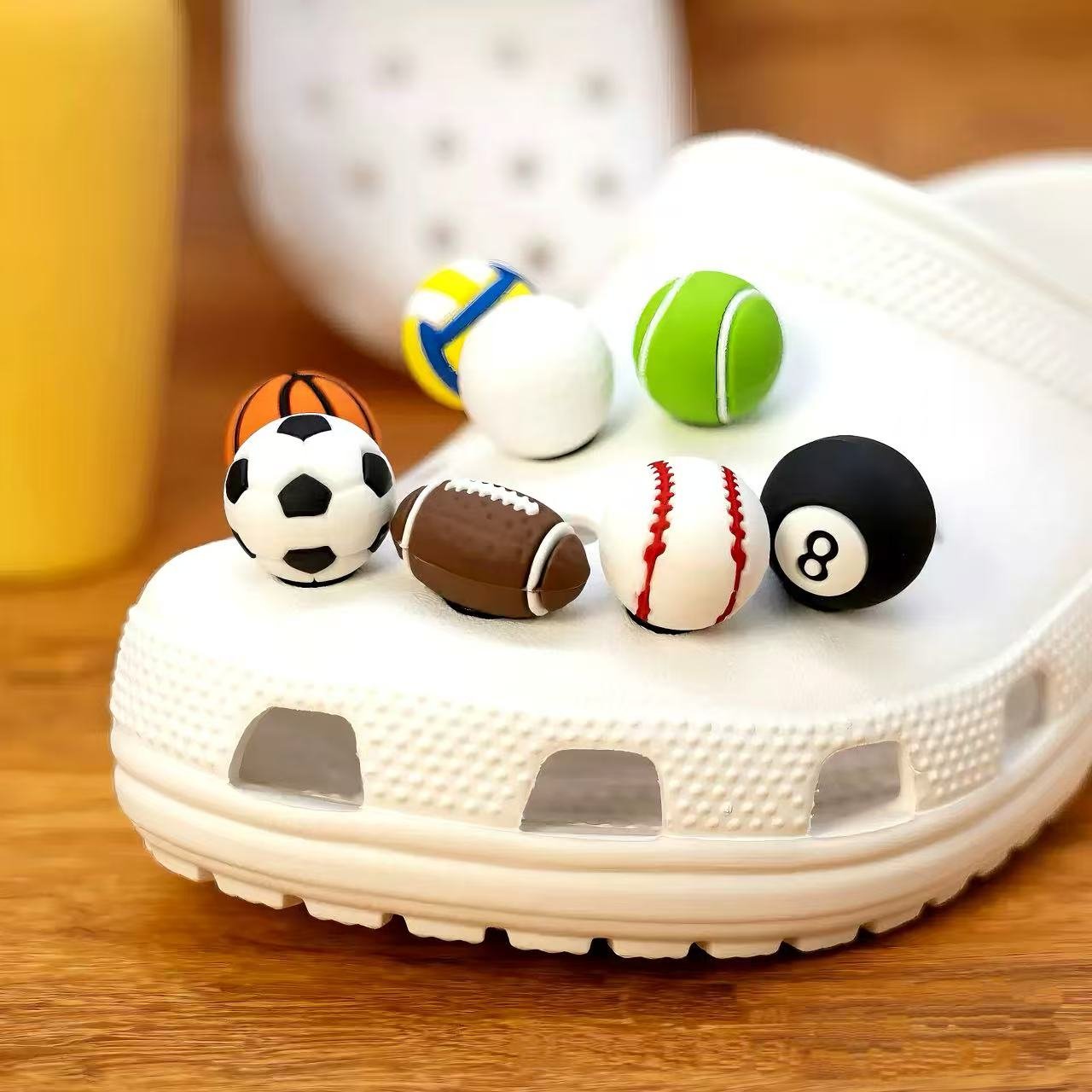
First, let me make it clear what finished PVC Shoe Decoration are—they’re shoe decorations made primarily from polyvinyl chloride (PVC). Ranging from small cartoon patches to large 3D shapes, most of the popular crocs accessories on the market these days fall into this category.
Having been in this business for a long time, there are three traits I value most about them: they’re lightweight, highly malleable, and have vibrant, true-to-tone colors.
Their advantages are especially prominent when it comes to custom PVC shoe accessories. A while back, a client wanted a batch of anime collaboration crocs accessories. The designs featured lots of fine lines and gradient colors—something rubber simply couldn’t pull off. Rubber is relatively stiff, and details tend to get blurry. But with PVC, thanks to the injection molding process, even patterns as thin as hair strands can be rendered precisely.
What’s more, PVC is waterproof and durable. Once, an outdoor brand client ran a test: they soaked a PVC shoe flower in rainwater for a week, and when it was taken out, its color and shape remained unchanged. But the same-style rubber shoe decoration started to wrinkle and fade after just three days.
 
Cost-wise, PVC is also more friendly. Raw material costs are much lower than rubber, and the production cycle is shorter. Even small-batch custom orders can keep costs in check—that’s the core reason many clients choose it for custom finished shoe decorations. These days, PVC shoe decorations make up over 70% of the custom orders in my shop, and customer feedback has been great.
 
Shoe Decoration
shoe decoration

2.Rubber Shoe Decorations: Advantages and Limitations of a Long-standing Category

It’s not that rubber shoe decorations are bad—they are indeed irreplaceable in specific scenarios. For example, clients almost always specify rubber for non-slip shoe flowers on sports shoes or protective accessories for industrial footwear. It has good elasticity and high wear resistance, so it doesn’t easily break under heavy use. A while back, a manufacturer of work shoes for construction sites ordered rubber decorations that remained crack-free even after two years of use—something PVC can’t match.

But as a business operator, I must clearly explain its limitations to clients. First, it’s heavy. Adding just a few rubber decorations to a shoe significantly increases its overall weight. These days, young people look for lightness in shoes, so this is a big drawback. 

Second, there are design limitations. Rubber molding requires high-temperature vulcanization, which means high mold costs, and complex patterns are simply impossible to produce—at most, only simple geometric shapes. Then there’s the price: for shoe flowers of the same specifications, rubber production costs are about 25% higher than PVC, so the final price is naturally higher too. Many clients in fast-fashion footwear can’t accept that.
Take crocs accessories, for instance. I only stocked one batch of rubber ones. They were so heavy that they easily fell off the shoes, and they only came in black and brown—nowhere near keeping up with fashion trends. In the end, I had to run promotions to clear the stock. Nowadays, I rarely actively recommend rubber shoe flowers unless the client is making professional functional shoes.

3.A No-Nonsense Comparison: Why PVC Better Gets Market Demands

a.Design & Customization: PVC Delivers on Customers’ "Creative Whims"
In the custom business, what customers value most is “uniqueness”—and PVC nails this perfectly. I once took an order from a milk tea shop: they wanted crocs accessories printed with their brand logo to gift to customers. The logo featured gradient milk tea hues and streamlined patterns. Using PVC injection molding plus surface printing, we turned out samples in just three days, and the client signed a big order right then and there. But with rubber? Just making the mold would take a week, not to mention gradient effects are impossible to pull off.
 
From a production perspective, PVC is far more flexible. Even if a customer only orders 50 units for a trial run, I can arrange production. Rubber shoe decorations, though, require a minimum order of 500 units—all because of the high mold costs. These days, the market shifts fast, and clients hate overstocking. This advantage of small-batch customization keeps PVC shoe decoration orders steady.

 
When it comes to colors, there’s no contest. PVC can be mixed into hundreds of shades, with transparent, fluorescent, and matte finishes all achievable. Rubber shoe flowers, by contrast, are mostly single-colored—even color blocking is a struggle.
b.Durability: PVC Better Fits Daily Usage Scenarios

Many customers ask, “Is PVC less durable than rubber?” Based on years of after-sales data, PVC actually lasts longer in daily use. I ran a simple test: attaching the same style of PVC and rubber shoe flowers to crocs, then wearing them daily. The PVC one stayed intact after two years, while the rubber one became brittle and cracked in less than a year. Rubber is susceptible to oxidation—prolonged exposure to sunlight or humid environments causes it to age quickly—whereas PVC has much better anti-aging and corrosion resistance.

Another detail: PVC is lightweight, so attaching it to shoes doesn’t add extra wear. But rubber decorations are heavy; they tend to shift and rub when walking, which actually accelerates wear on the shoes themselves. A customer once reported that the edges of the shoe holes frayed quickly after adding rubber decorations, but the issue didn’t recur after switching to PVC. Of course, for high-intensity scenarios like hiking boots or heavy-duty work shoes, I still recommend rubber. But for daily shoe decorations, PVC’s durability is more than sufficient.

c.Cost-Effectiveness: Helping Clients Spend Money Where It Counts

Anyone in business knows that cost control is critical. When it comes to pricing in my store, PVC decorations of the same specifications are 20%-30% cheaper than rubber ones—and that’s no small margin. For raw materials, PVC’s unit price is about 15% lower than rubber. In production, a PVC injection molding cycle takes just a few dozen seconds, while a single rubber vulcanization process takes over ten minutes, driving up labor and equipment costs significantly.

What’s more important is inventory risk. PVC supports small-batch customization: clients can order 100 units for test sales first, then reorder if they sell well. But rubber shoe decorations require a minimum order of 500 units. If the style doesn’t sell, you’re stuck with unsold inventory. I had a client who didn’t take my advice once—he ordered 1,000 rubber crocs accessories, but their colors were too plain, and he ended up having to sell them at a loss. Now he starts with 200 custom PVC units to test the waters each time, and he’s earning more steadily because of it.
Shoe Decoration

4.Custom PVC Shoe Accessories: Practical Tips from My Experience

Custom finished shoe accessories are now a major trend, and for PVC materials in particular, customer demands are growing increasingly diverse. Drawing on my experience with taking orders, here are some practical suggestions:
 
First, design communication must be precise. Clients are best off providing clear vector graphics, but even if they only have hand-drawn sketches, we can help optimize them—however, it’s crucial to specify size and color standards. For example, crocs accessories usually have a diameter of 2-3 cm, and color card numbers should be provided to avoid discrepancies later on. A while back, a client wanted pink accessories but didn’t clarify whether they meant light pink or peach pink; the sample had to be revised repeatedly, delaying the delivery.
Second, choosing the right production techniques matters. For simple patterns, flat injection molding is sufficient—it’s low-cost and fast. For complex 3D shapes, 3D mold opening is better; though the unit price is slightly higher, the result is more impressive. Surface treatment can also add value: a glossy finish works well for cartoon designs, while a matte finish enhances texture. A streetwear brand client once opted for a matte black finish, and they reported it was especially popular among young people.
Finally, test orders are vital. No matter the order size, I always recommend making a few samples for confirmation—first, to check craftsmanship and fit (e.g., whether they loosen or fall off when attached to crocs), and second, to visually verify color and texture, preventing problems after mass production. Many long-term clients have gotten into the habit of testing samples first, which has actually improved our collaboration efficiency.

5.Shoe Decoration: PVC’s Home Turf Advantage

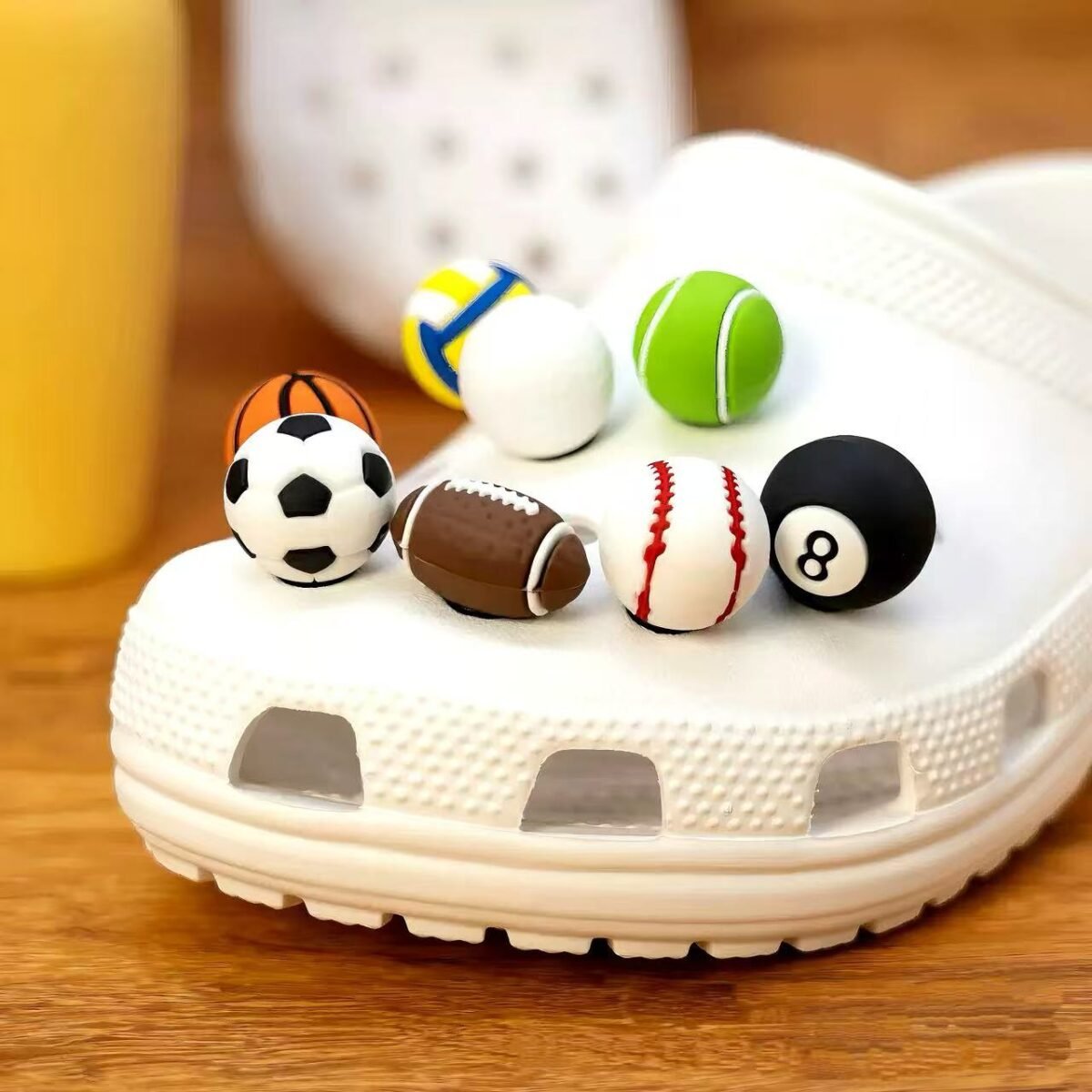
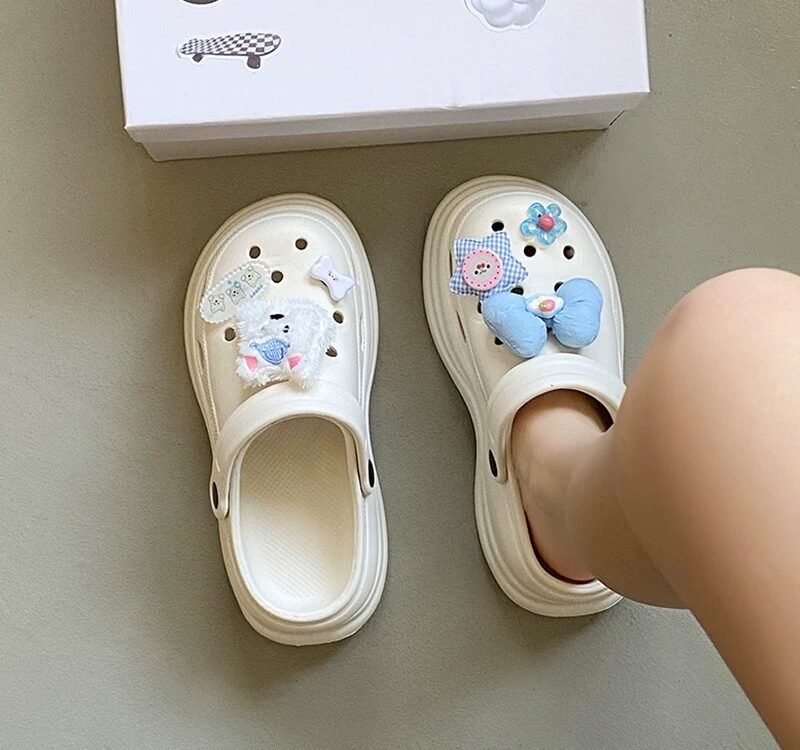
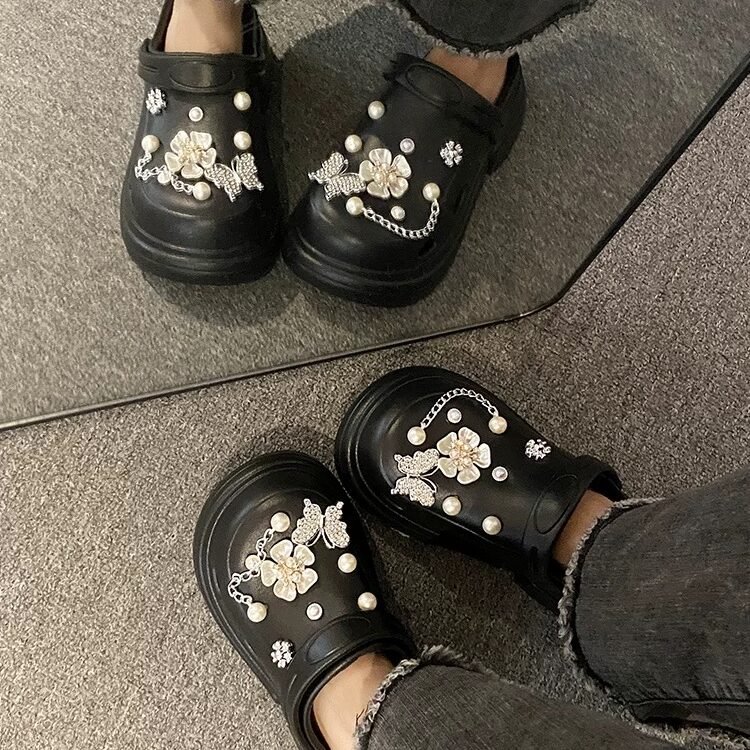
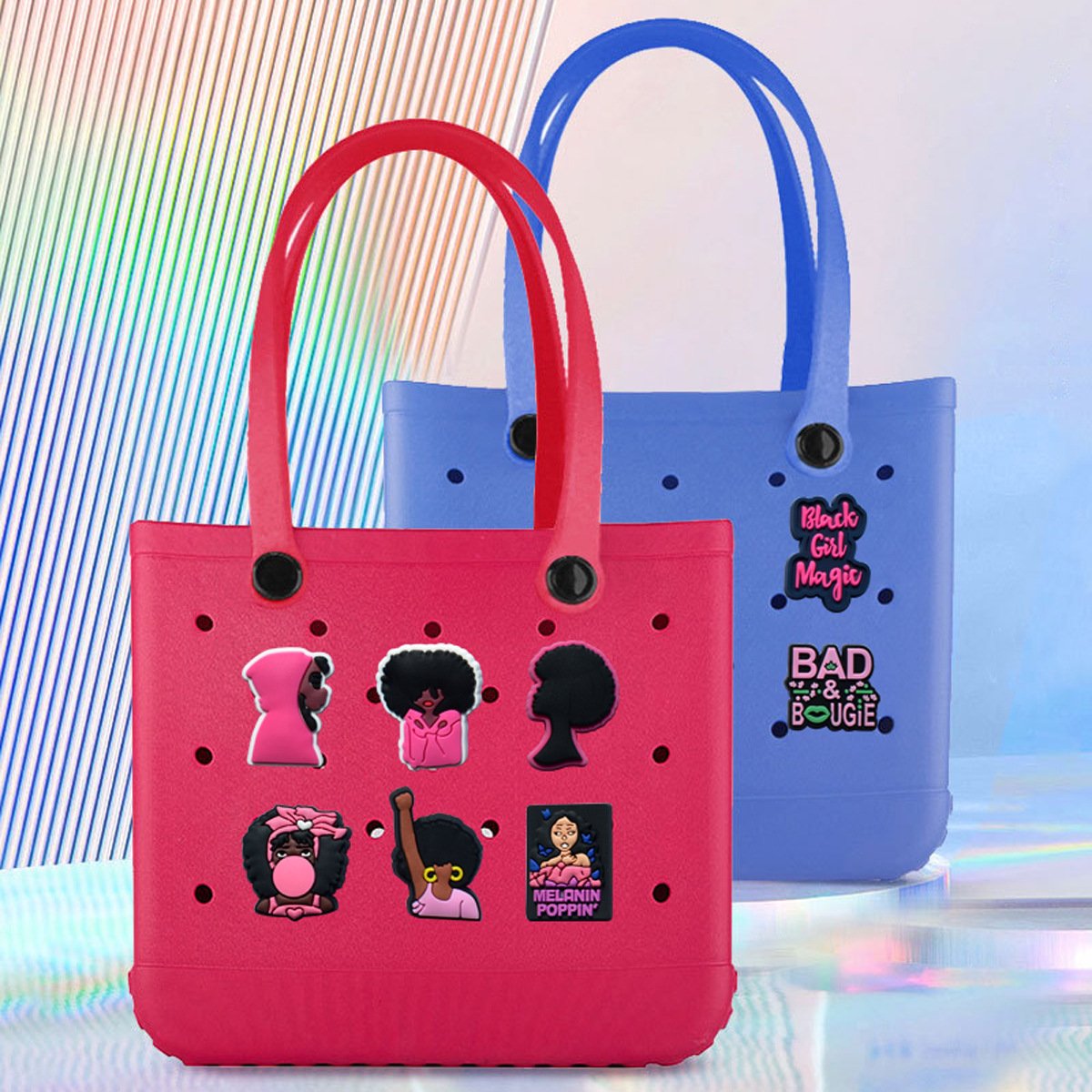
Crocs accessories are truly PVC shoe flowers’ domain—and they’re a top-selling category in my store. Why? Because they perfectly fit the way croc are used: lightweight so they don’t weigh down your feet, waterproof so they’re easy to keep clean, and available in a rich range of colors that can be swapped out whenever you like.
From customer feedback, parents especially love PVC Shoe Decoration with cartoon designs for their kids—they’re safe and durable, holding up even when kids splash around in water.
 
Younger customers, on the other hand, lean toward custom styles: printed with their names, idol logos, or couple-themed patterns, making them one-of-a-kind. A while back, a couple ordered a batch of accessories printed with their anniversary date, planning to give them as gifts to friends—and they ordered 500 in one go.
 
In contrast, I really can’t recommend rubber Shoe Decoration. First, they’re heavy; kids get tired quickly wearing them for long. Second, their color options are limited—mostly just black, white, and gray. Third, they easily fall off: rubber is relatively soft, so it doesn’t stay securely in the shoe holes. One customer even reported that a rubber accessory fell off right after they put their shoes on.
 
Now, the entire Shoe Decoration section in my store is PVC, and it makes up 30% of my monthly total sales.

6.Environmental Concerns: PVC’s Comeback

Many customers ask, “Is PVC not environmentally friendly?” That’s a question I used to get a lot in the early days, but today’s PVC materials are a far cry from what they used to be. What I mainly promote now is environmentally friendly PVC, made with non-toxic plasticizers—some are even biodegradable—and they fully comply with national environmental standards.
 
On the contrary, the environmental issues with rubber shoe decorations deserve more attention. Growing natural rubber requires extensive deforestation of rainforests, and many small manufacturers use non-sustainable rubber to cut costs. What’s more, rubber recycling is particularly troublesome; most of it can only be landfilled, causing significant pollution.
 
PVC, however, is different. Its waste materials can be re-ground and processed. All the scrap materials from my store are recycled and reused, reducing waste while cutting costs.
 
A while back, an eco-conscious clothing brand client specifically checked our PVC material test reports. After confirming they complied with EU environmental standards, they placed an order for 2,000 custom shoe decorations right away. More and more customers are paying attention to environmental protection these days, and I take the initiative to explain the advantages of eco-friendly PVC to them—that’s one of the reasons the business is thriving.

7.My Ultimate Advice: Choosing Based on Needs Is the Golden Rule

After all this, the core point boils down to one thing: choose based on your actual needs. Drawing on my experience from so many orders, I’ve summed up a simple way to decide:
 
If your needs lean toward fashion appeal and personalization—like making trendy shoe accessories, crocs accessories, or requiring small-batch customization—you must go for finished PVC shoe flowers. They’ll help you keep up with market trends quickly, and costs remain manageable.
 
If you’re working on functional footwear like sports shoes or work boots, which demand superior wear resistance and elasticity, rubber decorations are more suitable. But you’ll need to accept their higher costs and design limitations.
 
A few more details to note: If the decorations will be used in moist environments (e.g., rain boots), PVC is a safe bet. If they’ll be used in sub-zero temperatures, rubber tends to harden and crack—so PVC is also recommended.
 
If you’re unsure, order a few samples to test first. I can arrange that anytime, and it’s much more reliable than ordering blindly.

8.After all these years in business, my honest thoughts

In the shoe decoration business, nothing is more precious than customers’ trust. The reason I’ve mainly promoted finished PVC shoe flowers all these years isn’t that rubber is bad—it’s that PVC better aligns with most customers’ current needs: personalization, high cost-effectiveness, and sufficient durability. Of course, in some special scenarios, I’ll proactively recommend rubber shoe decorations. Doing business is about being practical and honest; you can’t just push products with high profits.
 
In the future, I plan to explore more new ideas for PVC shoe decorations—like integrating 3D printing technology to create more complex designs, or developing new biodegradable and eco-friendly products. I believe that as material technology advances, the advantages of PVC shoe decorations will become increasingly evident.
 
If you’re still struggling to choose between types of shoe decorations, or have customization needs, feel free to reach out and chat with me anytime. Whether it’s sample production or bulk orders, I can handle it for you—helping you spend the least money and get the most satisfying products. That’s the original intention behind why I do this business.
babyshop2-home-pic4

Related Posts

February 13, 2026
10 Must-Have PVC Shoe Charms: The Cute Accessory That Fixes Boring Shoes & Elevates Your Shoe Game (No Luxury Budget Needed)
That moment made me realize: PVC shoe charms aren’t just a "summer trend" or a "kid’s accessory"—they’re a secret weapon for anyone who wants to add personality to their shoes without spending a fortune.
Must-Read for Shoe Decoration Entrepreneurs: 2 Game-Changing Materials (PVC vs Rubber) – Win Big + Avoid Pitfalls with Business Insights + Customization Guide
This website uses cookies to improve your experience. By using this website you agree to our Data Protection Policy.
Read more